The advent of cryptocurrencies, particularly Bitcoin, revolutionized the way we perceive and use money. While Bitcoin offers numerous benefits, its association with the dark web raises important questions about security, legality, and ethical implications. Understanding the dynamics between Bitcoin and the dark web is crucial for anyone looking to navigate this complex landscape. This article delves into how Bitcoin operates within the dark web, its implications, and the risks involved, shedding light on a topic that is as intriguing as it is essential.
Bitcoins Dark Web
The dark web refers to a part of the internet that is not indexed by traditional search engines, requiring specific software to access, such as Tor. Within this hidden realm, anonymity reigns supreme, allowing users to engage in activities that may be legal, illegal, or simply controversial. Bitcoin emerged as a preferred currency for many transactions conducted in this space, largely due to its pseudonymous nature.
This can result in users either paying more for goods and services or receiving less than expected due to the changing value of Bitcoin. The price of Bitcoin can experience significant fluctuations within a short period, making it challenging for users to accurately estimate the value of their transactions. Unlike traditional financial systems, Bitcoin operates outside the control of governments and financial institutions, making it susceptible to scams and fraudulent activities. This means that transactions can take place without the interference or identification by governments or financial institutions.
Dash, another cryptocurrency whose protocol is well-suited for daily transactions, is accepted at 20% of all stores on the dark web. As time progressed, the Dark Web transformed, witnessing the emergence of diverse anonymous networks and marketplaces. Yet, alongside the surface web exists a concealed domain known as the Dark Web, notorious for fostering illicit activities. In today's digital landscape, understanding cryptocurrency, blockchain technology, and the Dark Web is crucial. Efforts to combat ransomware attacks involving cryptocurrencies are underway, with collaborations between law enforcement agencies, cybersecurity firms, and cryptocurrency exchanges.
Why Bitcoin is Popular on the Dark Web
One of the main reasons Bitcoin gained traction on the dark web is its decentralized structure. Unlike traditional currencies, Bitcoin is not controlled by any central authority, which makes it difficult for governments to trace transactions. This anonymity attracts users seeking privacy for various reasons—ranging from the purchase of legal goods in oppressive regimes to illegal activities, including drugs and weapons trafficking.
Notable Marketplaces and Transactions
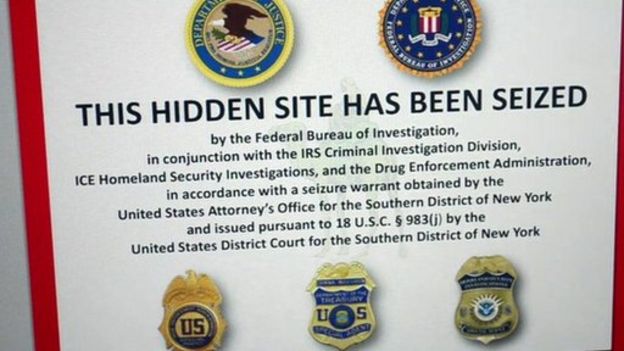
Several marketplaces on the dark web have become infamous for facilitating illegal transactions. These platforms typically allow users to buy and sell goods and services using Bitcoin. For instance, sites like Silk Road, which was operational until 2013, enabled users to transact anonymously, creating a thriving marketplace for illicit goods. While Silk Road was shut down, its legacy persisted, leading to the emergence of various copycat sites.
The Risks of Using Bitcoin on the Dark Web
While Bitcoin provides a certain level of anonymity, it is not without risks. Users engaging in transactions on the dark web can fall victim to scams, hacking, or law enforcement. Many dark web marketplaces have been shut down, leading to significant losses for unsuspecting users. Furthermore, transactions made with Bitcoin can potentially be traced back to individuals, especially if users do not take proper precautions.
Legal and Ethical Considerations
- For Janczewski, at least, any last doubts he had felt after his first confrontation with a suspect based on cryptocurrency tracing alone were dispelled in a matter of hours.
- According to the authorities involved in the investigation, the use of private tokens makes it difficult for investigators to reveal the people behind the transactions, which has caused a wave of Monero's delisting across South Korean exchanges.
- Three markets consistently sustain over 60 percent market share, namely Silk Road, AlphaBay, and Hydra.
- Others may allow the sale of precursor chemicals rather than the final product, further complicating law enforcement efforts.
- Although Hydra is not a single dominant market as Silk Road was, its dominance is marked by a high market share, consistently staying above 80% in the last two years.
The intersection of Bitcoin and the dark web raises important legal and ethical questions. While using Bitcoin itself is legal in many parts of the world, the activities facilitated by dark web transactions often are not. Users must be aware of the potential legal ramifications of engaging in such activities, as law enforcement agencies around the globe are increasingly focused on combatting illegal activities associated with the dark web.
Staying Safe and Informed
For those interested in exploring the potential of cryptocurrencies without delving into the dark web, understanding the technology behind Bitcoin and its legitimate uses is essential. Educating oneself about the risks, laws, and best practices for using cryptocurrency can help individuals protect themselves while still benefiting from the advantages that digital currencies offer.
In conclusion, the relationship between Bitcoin and the dark web is multifaceted, encompassing both opportunities and significant risks. Awareness and education are key in navigating this landscape, enabling individuals to make informed decisions while avoiding the pitfalls that come with engaging in anonymous transactions online.