These proactive and preventive measures significantly limit the financial damage and help protect customers from the pervasive threat of credit card fraud. Several notorious dark-web marketplaces have emerged as dominant platforms for selling stolen credit card data. Cybercriminals frequently target online retailers and business databases to directly access large amounts of stored credit card data. For instance, a widespread phishing campaign in 2022 impersonated PayPal and directed recipients to fraudulent websites resembling PayPal’s login page, successfully harvesting thousands of credit card details. Major breaches, such as those affecting large retail companies and financial institutions, often involve tens of millions of compromised credit card records, underscoring the vast scale and persistent threat posed by carding.
The dark web has become a notorious platform for various illicit activities, with carding being one of the most discussed topics. Understanding what carding entails, its implications, and how it operates can equip individuals with vital knowledge to protect themselves and navigate the complexities of online security. This article will delve into the world of carding on the dark web, exploring its mechanics, associated risks, and preventive measures.
What is Carding?
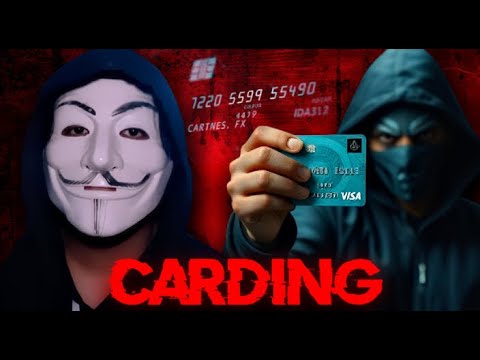
Carding refers to the process of using stolen credit card information to purchase goods or services, often with the intent of reselling these items for profit. This illegal activity typically occurs on the dark web, where anonymity can be maintained.
We observed one threat actor suggest that carding, in its current form, has outlived its usefulness. In a classic case of market supply-and-demand, it seems that fewer carding platforms is making payment cards more expensive. Shortly after the shutdowns, we began to notice users advising “beginners” to avoid carding.
How Carding Works
- Data Breaches: Credit card information is often stolen from data breaches, phishing scams, or dark web markets.
- Carding Forums: Cybercriminals gather on specific forums dedicated to carding to exchange tips, techniques, and stolen data.
- Testing Cards: Before making large purchases, carders often test the stolen cards to verify their validity and limits.
- Purchase and Resale: Items bought with stolen cards are frequently sold on other platforms, further obscuring their origins.

Why is Carding a Concern?
While carding may seem like a distant issue for some, its effects can be widespread:
- Financial Loss: Victims of carding can suffer significant financial loss, leading to complications such as identity theft.
- Legal Consequences: Engaging in or facilitating carding can lead to serious legal repercussions, including imprisonment.
- Trust Erosion: Businesses may experience a loss of consumer trust when personal data is compromised.
Preventive Measures
To mitigate the risks associated with carding, individuals and organizations can adopt several proactive steps:
- Monitor Accounts: Regularly check bank statements and online accounts for unauthorized transactions.
- Use Strong Passwords: Implement robust passwords and change them regularly to strengthen security.
- Enable Two-Factor Authentication: Adding an extra layer of security can help protect accounts from unauthorized access.
- Educate Yourself: Understanding the tactics used by cybercriminals can be the first line of defense against fraud.
- Others are more confident that the string of shutdowns is a temporary blip and that, as previously, other marketplaces will rise up to fill the void.
- Common targets include online marketplaces, luxury retailers, electronics stores, and digital services.
- A Hacker Zone is an influential and trusted name in the carding community.
- It’s much more likely that they will have purchased them from another cybercriminal who perhaps uses a card skimmer or banking trojan to harvest payment credentials.
- Fraudsters then use or sell these verified cards, causing financial loss and chargebacks for ecommerce businesses.
- Most of these tactics are not bad additions to a comprehensive anti-fraud strategy.
FAQs About Carding on the Dark Web
What types of information are commonly used in carding?
The most commonly used information includes stolen credit card numbers, expiration dates, and CVV codes. Identity theft may also involve personal details such as names and addresses.
Is it possible to recover stolen funds?
In many cases, victims can recover funds by reporting unauthorized transactions to their bank or credit card provider, but the success of recovery may vary.
How can someone detect if their information has been compromised?
Signs of compromised information may include unauthorized charges, unexpected account changes, or alerts from banks about suspicious activity. Regularly checking credit reports can also help identify unauthorized use of personal information.
Conclusion
Understanding carding on the dark web is essential for safeguarding personal information and financial security. By staying informed and adopting preventive measures, individuals can better protect themselves against the risks posed by this illicit practice. Awareness is key in the fight against cybercrime.