
In the age of digital transactions, the issue of counterfeit money remains a persistent threat, impacting economies and individuals alike. As technology evolves, so do the methods employed by counterfeiters to produce fake currency. One of the more intriguing aspects of this phenomenon is the intersection with the dark web, specifically through platforms commonly referred to as the "counterfeit money onion". Understanding this concept is crucial for safeguarding one’s financial interests and recognizing the potential dangers associated with counterfeit currency.
For example, China uses the Great Firewall to block access to Western sites. It has a proprietary onion site in the Tor network to give you safe access even if your country restricts VPN usage. Cybersixgill said it observed a 91% year-on-year increase in posts on the sites it monitored, and an 82% increase in the number of unique sellers in 2022. This theory is backed by another finding of the report – a decrease in feedback provided to sellers of fake currency.
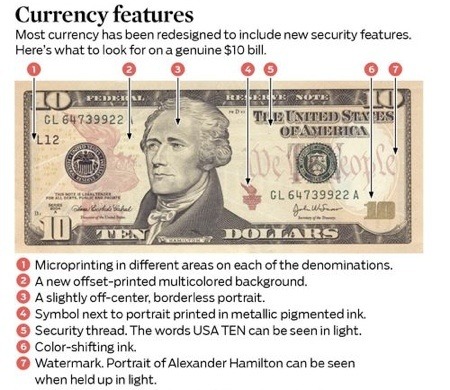
If you deposit a fake money order, there’s a chance that the bank will cash it and make the funds available right away. Just like any other money order, you will look for security features such as watermarks that should be visible when held to the light, legal amounts, etc. Money orders can be a great way to exchange funds if you prefer a non-electronic option but don’t have access to paper checks from a bank account. To learn how to detect counterfeit money by looking at the numbers and portrait on the bill, scroll down! To detect counterfeit US money, feel the texture of the money to see if it's oddly soft, papery, or smooth, which could be a sign that it's counterfeit. A few U.S. banks have remained open, though most teller windows are unmanned due to a lack of interest in transactions involving mere scraps of paper or, worse, decimal points and computer data signifying mere scraps of paper.
Counterfeit Money Onion
The term "counterfeit money onion" relates to the darker corners of the internet, particularly those accessed via the Tor network. This network allows users to browse anonymously, making it a popular venue for illegal activities, including the trade of counterfeit money. Here’s a breakdown of what this entails:
“The printer has to be skilled,” said Don Brewer, who spent 26 years with the US secret service and became head of the agency’s anti-counterfeiting division. “To make these bills, you need 10 to 12 people,” said Geraldo Chavez (not his real name), the counterfeiter. “Since 2009, in our investigations with the secret service, we have seized about $75m in fake bills,” said Walter Escalante, head of the Peruvian national police’s anti-fraud division.
What is the Dark Web?
The dark web is a part of the internet that isn’t indexed by traditional search engines. It's often associated with illegal activities due to its anonymity. Within this realm, counterfeiters can operate without detection, making illicit transactions that can have serious implications.
How Counterfeit Money is Produced
Counterfeiters use various techniques to produce fake currency. Some common methods include:
- High-quality printing techniques that mimic real currency features.
- Using counterfeit currency paper that mimics the texture and appearance of legal tender.
- Employing advanced technologies like Photoshop to alter images of real notes.
How Counterfeit Money Moves in the Shadow Economy
Counterfeit money circulates through several channels in the underground economy:
- Online Marketplaces: Counterfeit money can be sold through encrypted sites, often requiring the use of cryptocurrencies for transactions.
- Money Laundering: Once in circulation, counterfeit bills may be integrated into legitimate transactions, making detection difficult.
- Street-Level Transactions: Individuals may attempt to pass fake bills in everyday situations, exploiting the ignorance of cash handlers.
Risks Associated with Counterfeit Money
Engaging with counterfeit money, whether as a buyer or seller, comes with significant risks:
- Legal consequences, including arrest and prosecution.
- Financial losses for individuals and businesses deceived by counterfeit notes.
- Damage to reputation and credibility in personal and professional transactions.
Identifying Counterfeit Money
Consumers should be vigilant in identifying counterfeit money. Here are some useful tips:

- Familiarize yourself with the security features of your country's currency.
- Use a counterfeit detection pen or UV light to check bills.
- Examine the quality of the paper and printing; counterfeit bills often lack finesse.
Frequently Asked Questions (FAQs)
Q: Can I get arrested for purchasing counterfeit currency unknowingly?
A: Yes, possessing counterfeit money, even if you did not know it was fake, can lead to legal troubles. Always report counterfeit currency to the authorities.
- Within the US, it’s typically small groups of individuals that design and print fake money.
- In the past 6 months, the site has increased the volume of cards sold, placing itself as one of the top sites selling credit cards today.
- If you don’t take the necessary measures, many unsavory activities can expose you to unnecessary risks.
- We’ll go over a few common money order types and how to spot fake ones.
- When a fake bill is received, the cashier quickly pops out a few holes before curtly returning the bill to an oft-surprised client.
Q: How can I protect myself from receiving counterfeit money?
A: Always inspect bills before accepting them, especially in unfamiliar or high-risk transactions.
Q: Are there legitimate ways to report counterfeit money?
A: Yes, you can report counterfeit currency to your local law enforcement or directly to the U.S. Secret Service or your country's equivalent agency.
In summary, understanding the concept of the counterfeit money onion and its implications is essential for protecting oneself from financial fraud. Awareness and vigilance can significantly reduce the risks associated with counterfeit currency, ultimately helping to maintain the integrity of personal and collective financial systems.