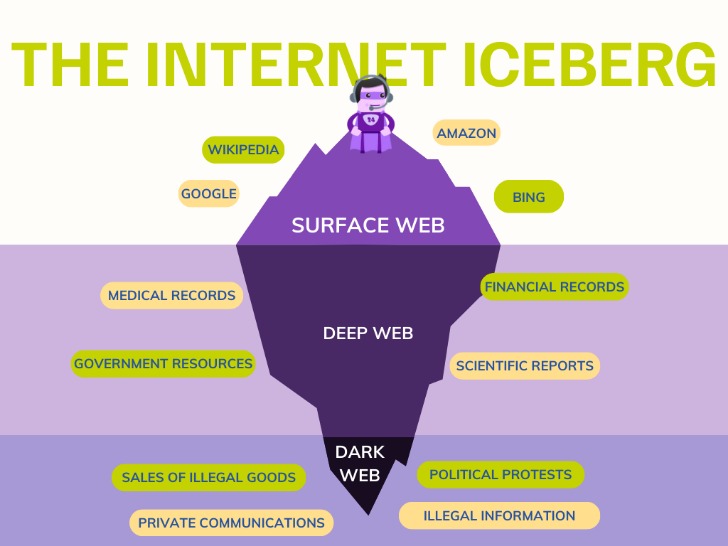
Pixel Privacy believes in digital privacy and does not believe in using it for heinous and/or illegal activities, and so the focus of this article will be on legal activities. Google’s purpose is to show the most relevant information to all of its users quickly and easily. It includes media and archives which cannot be crawled and indexed with current search engine technology.
The dark web hosts a variety of content, including anonymous forums, marketplaces selling illegal goods (like drugs and weapons), hacking services, and information stolen in data breaches. The dark web is home to the internet’s hidden sites, services, and products — some innocent, others downright dangerous. Most internet users access the deep web several times a day to perform common tasks, such as checking email, accessing a bank account, or reviewing health or school records. The dark web is the part of the internet where users can access unindexed web content anonymously through special web browsers like The Onion Router (Tor). The dark web hosts a number of marketplaces that house illegal activity, such as drug and firearms sales, terrorism, hacking services, identity theft, illegal pornography, and even human trafficking. The dark web cannot rely solely on crawling in the same way the surface web is — indexes are sometimes added to dark web search engines manually by the site operator, too.
The endless list of illegal activity on the dark web casts a grim picture of this part of the internet and leaves the impression that it’s dangerous. Because of their anonymity, dark web sites are breeding grounds for illegal activity and transactions. Web crawlers index websites and services on the surface web, which are accessible via regular browsers. The websites are hidden in layers of encryptions and use dot (.) onion domains, which is why they are called onion sites. Next, select a dark web search engine like DuckDuckGo that can help you find dark web websites that cannot be indexed by traditional surface web search engines, such as Google or Bing.
The internet is a vast and complex network where information flows freely, but not all parts of it are easily accessible or understood by the average user. Among these layers lies the dark web, often shrouded in mystery and misconceptions. Understanding how to access the dark web and its implications is crucial for anyone interested in the unseen aspects of the digital world.
What is the Dark Web?
The dark web is a small portion of the deep web that has been intentionally hidden and is inaccessible through standard web browsers. It requires special software, configurations, or authorization to access. Unlike the surface web, where most of the world’s webpages reside, the dark web hosts websites that operate anonymously, promoting privacy and confidentiality.
How to Access the Dark Web
Accessing the dark web is not as simple as typing a URL into your browser. Here are the essential steps:
1. Install a Specialized Browser
The most common way to access the dark web is through the Tor browser. Tor, short for The Onion Router, obscures your location and usage from surveillance and traffic analysis by routing your connection through a series of volunteer-operated servers. It’s essential to download the Tor browser from its official site to ensure you’re not falling victim to malicious software.
2. Use a VPN for Enhanced Security
While the Tor browser provides a level of anonymity, using a Virtual Private Network (VPN) adds an extra layer of security. A VPN encrypts your internet connection and helps protect your identity and data while browsing the dark web.
3. Understand the Risks
Before you venture into the dark web, it’s important to be aware of the potential risks. While it can be a source of valuable information and a platform for freedom of expression, it can also expose users to illegal activities and harmful content. Exercise caution and avoid engaging with any illicit activities.
What Can You Find on the Dark Web?
The dark web hosts a wide range of content, some beneficial, while others are risky. Here are a few categories of what you might encounter:
1. Privacy-Focused Communities
Many individuals turn to the dark web to discuss sensitive topics without fear of censorship or retribution. Forums and chat rooms provide spaces for activists, whistleblowers, and individuals in oppressive regimes to communicate freely.

2. Marketplaces
- It’s just what you must do before accessing the Tor network.
- Note you should use a separate browser than the one you normally use to help ensure anonymity.
- Meanwhile, Facebook also offers dark web access to their social network.
- You will have to use dark web-specific search engines, or find a dark web aggregator or wiki that offers lists of .onion link listings.
Various marketplaces operate within the dark web that can range from legal items to illegal goods. It is crucial to recognize that engaging in any illegal activities is against the law and heavily monitored by law enforcement agencies.
3. Educational Resources
Surprisingly, the dark web can also serve as a repository for educational material. This can include research articles, books, and other resources that may be restricted in certain regions.
Staying Safe While Browsing the Dark Web
If you decide to explore the dark web, adhere to the following safety tips:
1. Maintain Anonymity
Never share personal information, including your real name, address, or financial information. Use pseudonyms and consider creating a new email address solely for dark web activities.
2. Avoid Downloading Files
Files downloaded from the dark web can contain malware. Always be cautious about what you choose to download, as it may compromise your security.
3. Use Secure Connections
Ensure that your connection is secure. Check for "https://" in the URL when accessing websites to add another layer of protection.
Conclusion
The dark web is a multifaceted part of the internet that presents a range of opportunities and challenges. By understanding how to access it safely and what to expect, users can navigate this hidden layer of the internet with greater awareness and caution. Remember, knowledge is power, and being informed is the first step in ensuring your safety in the digital realm.