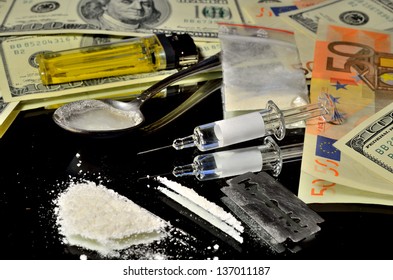
The existence of the black market poses significant challenges to societies worldwide, particularly concerning drugs and guns. This clandestine trade not only fuels crime and violence but also places individuals at risk of severe legal consequences and health hazards. Understanding the dynamics of this underground economy is crucial for developing effective strategies to combat it. This article explores the intricacies of the black market concerning drugs and guns, its implications, and what individuals can do to protect themselves and their communities.
However, vendors and marketplaces must balance revealing enough information about their concealment techniques to gain their customers’ trust while not exposing their methods and routes resulting in law enforcement interdiction. According to UNODC, most of the drugs sold in the darknet ship from North America and Europe. Encrypted communications networks can serve as a work-around to traditional darknet marketplaces and facilitate single-vendor trade or “direct deals” by interfacing with users directly.
Money from selling illegal drugs or weapons can go to more nefarious purposes, funding higher-level organized crime, for example, and further entrenching crime. A black market could also refer to legal activities that are sold illegally, which could include ticket resales, prescription drugs, or passes for a vacation destination. These restrictions can range from small knives to firearms, either altogether or by classification (e.g., caliber, handguns, automatic weapons, and explosives).
Black Market Drugs Guns
The intersection of black market drugs and guns highlights the complexity of illegal trades. Here, we will delve into their connection, impact, and broader context.
The Connection Between Black Market Drugs and Guns
- Supply and Demand: The illegal drug trade creates a demand for firearms, often used by traffickers for protection and enforcement.
- Violent Turf Wars: Rival drug factions may resort to violence, leading to increased gun sales on the black market.
- Criminal Organizations: Many drug trafficking organizations are armed, making firearms an essential part of their operations.
Factors Driving the Black Market
Several factors contribute to the prevalence of the black market for drugs and guns:
- Where taxicabs, buses, and other transportation providers are strictly regulated or monopolized by government, a black market typically flourishes to provide transportation to poorly served or overpriced communities.
- From late 2013 through to 2014, new markets started launching with regularity, such as the Silk Road 2.0, run by the former Silk Road site administrators, as well as the Agora marketplace.
- The Justice Department says it's aimed at sellers who are in the business of firearm sales, but the proposal quickly drew protest from gun-rights groups who contend it could ensnare regular people who sometimes sell their own guns.
- By condoning and facilitating unregulated arms transactions, this platform enables criminals to access weapons with ease, perpetuating violence and instability.
- They’re dangerous because the data is fresh and the sessions are often still active.
- Legal Restrictions: Strict laws on drugs and firearms drive individuals to seek these items illegally.
- Social Issues: Poverty and lack of education often push individuals towards illegal activities.
- Corruption: In some regions, law enforcement may be complicit, further exacerbating the issue.
- Globalization: The ease of transport and communication facilitates the international trade of illegal goods.
The Impact on Communities
The effects of the black market extend beyond individual users and dealers:
- Increased Crime Rates: Areas with high black market activity often experience greater crime levels.
- Public Health Crises: Illegally obtained drugs may be unregulated and dangerous, leading to health emergencies.
- Strain on Law Enforcement: Resources are diverted to combat these illegal activities, impacting community safety.
Protecting Yourself and Your Community

Awareness and education are crucial in combatting the black market. Here are some steps individuals can take:
- Stay Informed: Understanding the risks associated with black market drugs and guns can help individuals make better choices.
- Engage with Local Communities: Participate in community programs aimed at prevention and awareness.
- Report Suspicious Activity: If you notice illegal activities, report them to authorities.
- Support Legislative Changes: Advocate for policies that address the root causes of black market trade.
FAQs About Black Market Drugs and Guns
Q: What are black market drugs?
A: Black market drugs are illegal substances sold outside of regulated markets, often without quality control or safety measures.
Q: How do black market guns enter the market?
A: Black market firearms often come from theft, illegal manufacturing, or are sold by corrupt officials.
Q: What are the legal consequences of participating in the black market?
A: Involvement in the black market can lead to serious legal ramifications, including fines, imprisonment, and a criminal record.
Q: What can communities do to combat black market activity?
A: Community engagement, education, and advocacy for legal reform are effective strategies to combat black market activities.
In conclusion, understanding the black market drugs guns trade is vital for informed citizenship and community resilience. By educating ourselves and others, we stand a better chance of mitigating its impact and fostering safer environments.