For better or worse, it solidified Bitcoin as a network that could support “free” and anonymous activity, no matter how legal. Although it only existed for two years, Silk Road will forever be one of the most famous moments in crypto history. Although this changed over time, in general, when a buyer made a purchase, their payment would be kept by Silk Road until the seller delivered the requested product.
In recent years, the emergence of cryptocurrencies has revolutionized the financial landscape, offering both advantages and challenges. Among the more controversial aspects is the role of black market cryptocurrency, which refers to the use of digital currencies for illegal or illicit activities. This article aims to provide an understanding of how black market cryptocurrency operates, its implications, and what individuals should know to navigate this complex realm safely.
Understanding how darknet shop platforms utilize cryptocurrency is essential for cybersecurity researchers, blockchain analysts, and digital privacy advocates. An increase in the use of cyber technology like cryptocurrency and ecommerce marketplaces led to a rise in demand for data privacy. With law enforcement agencies improving their ability to track Bitcoin (BTC) transactions, darknet market operators and vendors are moving to Monero (XMR) as their cryptocurrency of choice. Furthermore, law enforcement worldwide has stepped up its efforts, seized assets, and disrupted key money laundering networks. Additionally, on June 27, 2021, the financial watchdog asked Binance, the world's largest cryptocurrency exchange, to cease all regulated activities in the UK. In the UK all cryptocurrency companies, such as exchanges, advisors and professionals that have a presence, market products or provide services in the UK market must register with the Financial Conduct Authority.
Black Market Cryptocurrency
Black market cryptocurrency primarily facilitates transactions that typically avoid governmental oversight. These transactions can range from drug sales and illegal arms trade to human trafficking and money laundering. The anonymity provided by cryptocurrencies makes them appealing for those wishing to evade law enforcement.
How It Works
The functioning of black market cryptocurrency can be broken down into several key components:
- Cryptocurrency Exchanges: These platforms serve as marketplace venues where users buy and sell digital currencies. Some exchanges operate within legal frameworks, while others operate illicitly.
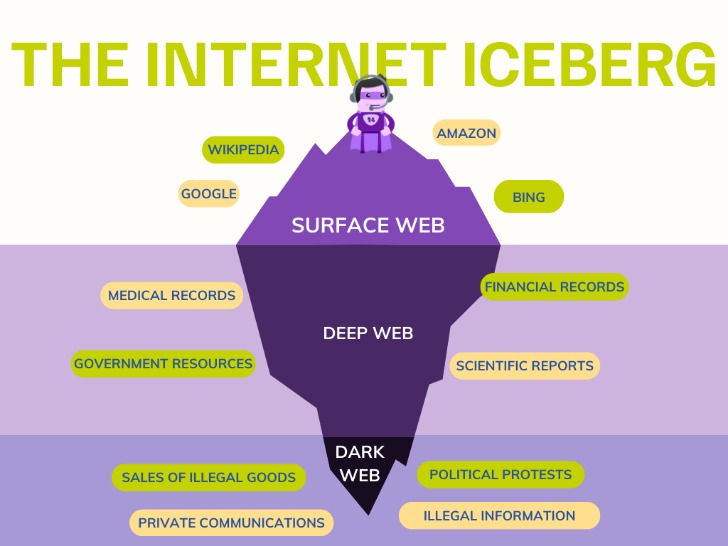
- Dark Web Markets: Many illegal transactions occur on dark web platforms, where users can purchase goods and services using cryptocurrencies without revealing their identities.
- Anonymity Tools: Users often utilize VPNs, Tor, and other privacy-enhancing tools to obscure their online activities, further protecting their identities when engaging in black market cryptocurrency transactions.
- This level of anonymity makes tracking virtually impossible for blockchain analysts and law enforcement agencies.
- Throughout the whole period of observation, the dominant category of buyers is market-U2U buyers followed by market-only buyers, representing on average 52% and 42% of all buyers, respectively.
- Meanwhile, Bitcoin provides a way for users to transact without revealing their identity.
- If the private key is stolen, all the bitcoins from the compromised address can be transferred.
Risks and Consequences

Engaging in black market cryptocurrency activities comes with significant risks, including:
- Legal Repercussions: Involvement in illegal activities can lead to severe legal penalties, including fines and imprisonment.
- Scams and Fraud: The lack of regulation makes black market cryptocurrency vulnerable to scams, with many users falling prey to fraudulent schemes.
- Financial Loss: Market volatility can result in significant financial losses, especially for those unfamiliar with trading and investments.
FAQs about Black Market Cryptocurrency
1. Is all cryptocurrency used for illegal activities?
No, while some cryptocurrencies are used in illegal activities, many are used for legitimate purposes, such as investment and transfers.
2. How can I protect myself from scams?
Always conduct thorough research before engaging in any transaction. Utilize reputable exchanges and understand the platform’s security features.
3. What happens if I'm caught using black market cryptocurrencies?
Legal actions can range from warnings to severe penalties, depending on the specific activities involved and local laws.
Conclusion
Understanding black market cryptocurrency is crucial for those navigating the digital currencies landscape. While the technology holds promise for innovation and financial freedom, awareness and caution are essential when it comes to potential pitfalls. By being informed, individuals can make safer choices within this evolving environment.