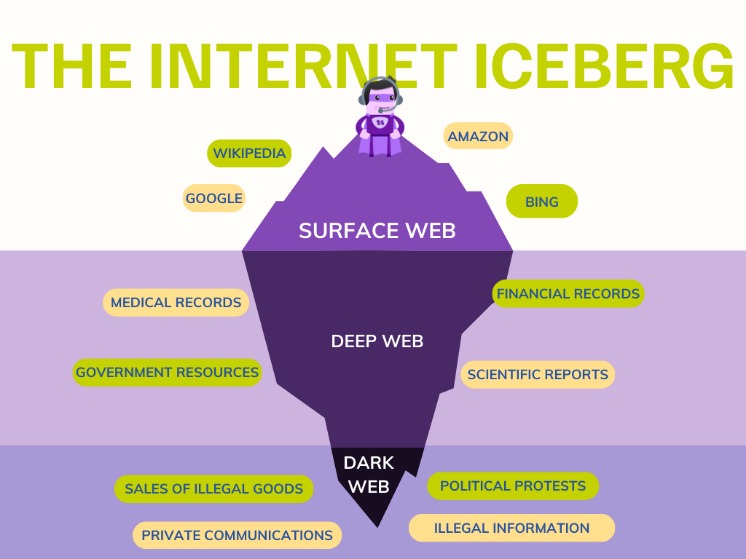
The internet is a vast resource with both positive and negative aspects. Among the more controversial corners of the web lies the dark web, a part of the internet that is not indexed by traditional search engines and requires specific software to access. One of the illicit activities often associated with the dark web is the trade of CVV codes. Understanding what CVV is, the implications of its misuse, and how to protect oneself from such threats is essential for internet safety.
- The use of JavaScript-sniffers, also known as Magecart, has led to a significant increase in stolen payment card data.
- The ripple effects touch virtually every sector of the economy.
- Once it starts running on your machine, the malware collects data such as used keystrokes, browser history, and shopping habits.
- Sourcing the card is half the battle.
- There are other monitoring services available online to uncover whether or not a customer’s details have been included in a leaked fullz, which can be a clear signifier of fraud.
- Once wallets are linked to real-world identities, marketplaces lose a key layer of protection.
Unsecured Wi-Fi networks are prone to man-in-the-middle attacks, where a hacker intercepts the exchange between two parties—often by compromising the router—and gains access to sensitive data. Using a public Wi-Fi network for payments is a major security risk as hackers can easily intercept the transmitted data. The card skimmer illegally captures the credentials of cards inserted into the machine. Card skimming is a type of physical data breach carried out with a device created to steal cardholders’ card info.
These generated numbers link to your real card but can be limited by merchant, amount, or time. Early detection enables your security team to prevent a transaction, minimizing the risk of a chargeback. Require multi-factor authentication for high-risk transactions, but it needs to be implemented intelligently. Using a layered approach helps distinguish genuine fraud from false positives. We’re not just looking for individual red flags, we’re building comprehensive risk profiles based on dozens of different indicators. This enables systems to detect fraud based on minute changes in transaction velocity, merchant category patterns, and even the time of day purchases are made.
What is CVV?
This gives security teams time to adjust their defenses before new techniques become widespread. The intelligence gathered from these markets helps security teams predict and prevent future attacks. This provides concrete metrics for measuring security ROI. When used correctly, it provides strategic intelligence that can prevent major financial losses.
CVV, or Card Verification Value, is a security feature found on credit and debit cards. The CVV is typically a three or four-digit number located on the back of the card and serves to verify that the physical card is in the owner's possession during online transactions. It is a critical component in preventing fraud, which makes its theft particularly dangerous.
The Nature of Dark Web CVV Trading
On the dark web, criminals engage in various illegal activities, including the sale of stolen CVVs. These codes can be sold individually or as part of larger data sets that include personal information linked to the cardholders, such as names, addresses, and social security numbers. Buyers on the dark web typically use these codes to make unauthorized purchases, leading to significant financial loss for individuals and institutions alike.
How is CVV Data Stolen?
CVV data can be acquired in several ways, including:
- Phishing Attacks: Cybercriminals often use deceptive emails or websites to trick users into providing sensitive information.
- Skimming Devices: Physical devices can be attached to ATMs or point-of-sale terminals to capture card information and CVV codes.
- Data Breaches: Hackers may infiltrate databases of businesses to steal large amounts of customer data, including CVVs.
The Impact of CVV Theft
When CVV codes fall into the wrong hands, the consequences can be dire. Victims may experience significant financial loss, damage to their credit scores, and a lengthy process to resolve fraudulent transactions. Additionally, the emotional toll from feeling violated or deceived can be substantial.
Protecting Yourself
Staying safe online requires vigilance and proactive measures. Here are some tips to protect your CVV and other sensitive information:
- Use Strong Passwords: Create unique passwords for financial accounts and change them regularly.
- Enable Two-Factor Authentication: This adds an extra layer of security by requiring a second form of verification.
- Monitor Your Accounts: Regularly check your bank and credit card statements for unauthorized charges.
- Be Aware of Public Wi-Fi Risks: Avoid using public networks for financial transactions, as they can be insecure.
Conclusion
The dark web and its associated risks highlight the importance of internet safety and personal vigilance. By understanding how CVVs are misused and implementing protective measures, individuals can help safeguard their financial information. Awareness is the first step toward enhancing online security.