As the digital age progresses, the internet has expanded beyond the surface web, leading to the rise of hidden networks, often referred to as the dark web links market. This segment of the internet, while notorious for its illegal activities, also serves as a crucial platform for privacy advocates, journalists, and individuals seeking freedom of expression in oppressive regimes. Understanding how this market operates and its implications is essential for anyone navigating the digital landscape.
What is the Dark Web?
- Critics referred to season two as ominous and much more bizarre than season one, and that the series managed to subvert several tropes regarding the concepts of time travel.
- Jonas and Martha travel to the origin world through the passage in the cave and successfully save Tannhaus' family, thereby erasing both worlds from existence.
- Noah tells Bartosz that Claudia is their main adversary, and that the adult Jonas, unwittingly, is about to create the wormhole.
- The drama in Winden isn’t simply about time travel or alternate realities – it’s about love, betrayal, grief, and the cyclical nature of human behavior.
- Adam tells adult Noah to retrieve Claudia's diary in preparation for an "apocalypse" that will occur on 27 June 2020.
The dark web is a collection of websites and online resources that are not indexed by traditional search engines. Accessing these sites typically requires specialized software, such as Tor, which anonymizes users' activities. While many associate the dark web with illegal activities, it also hosts forums and platforms that serve legitimate purposes, allowing for secure communication and information sharing.
The series’ plot twists weren’t just plentiful – they were meticulously crafted, paying off narrative threads laid seasons earlier without ever feeling like shock tactics. The third and final season received critical acclaim, with the series finale receiving particular praise for being a satisfying conclusion to the story. The website's critical consensus states, "Dark's sumptuous second season descends deeper into the show's meticulously-crafted mythos and cements the series as one of streaming's strongest and strangest science fiction stories." At Rotten Tomatoes, season two of the series holds an approval rating of 100% based on 30 reviews, with an average rating of 8.1 out of 10. The first season of Dark received mostly positive reviews from critics, with many noting its similarities to the TV series Twin Peaks and another Netflix series Stranger Things. A second season was announced with a short teaser on the German Facebook pages of the series and Netflix on 20 December 2017.
The Dark Web Links Market
At its core, the dark web links market operates similarly to any marketplace. Users can buy and sell a variety of goods and services, ranging from digital currencies to hacking tools. However, the primary focus remains on more controversial offerings. It's essential to understand what drives this market and how it operates.
Adam shows Jonas a God Particle that will take him to any time he wants. The kids take the time machine and leave Bartosz tied up in the cave. Martha, Magnus, Franziska, and Elisabeth visit the cave, where they find Bartosz carrying the time machine. The 1987 version of Claudia visits Winden's public library, where she discovers a report on Egon's death; she then travels back to 1987. In 1954, a young and disfigured Helge returns but refuses to talk to anyone but Noah, with whom he spent the last seven months in 1987 building a new time machine. Old Claudia visits her younger self, giving her coordinates of a time machine buried in her backyard.
The season was included in many critics' year-end lists of 2019. The season received a rating of four out of five from Jack Seale of The Guardian and Boyd Hilton of Empire, a B+ grade from Hanh Nguyen of IndieWire, and an "amazing" score of 9 out of 10 from David Griffin of IGN. Los Angeles Times listed Dark as one of the best TV series of 2017, while Thrillist named it the 18th best TV show of the year. However, there was some criticism by Reason's Glenn Garvin for a heavy-handed approach to its message, a lack of sympathetic characters, and unoriginality of certain aspects of the series.
Types of Goods and Services
The dark web links market features a wide array of products. Some of the most commonly traded items include:
- The Unknown breaks into the power plant and murders Claudia's secretary.
- Jonas tells Martha about Heinrich's attempt to build the time machine to prevent his wife's death.
- The gates to the power plant are those at the Olympic Stadium Bell Tower; the nuclear reactor towers were computer-animated.
- In an argument with Helge (revealing that the abducted boys died from Noah's attempt to create a time machine) Noah states his mission to free humanity, likening himself to the Biblical Noah.
- Illicit Drugs: Various substances can be purchased through anonymized vendors.
- Firearms and Weapons: Illegal arms dealing is a significant gray area within the market.
- Stolen Data: Personal information, including credit card details and identity records, is often sold.
- Counterfeit Products: Items like fake IDs and counterfeit currency are available.
- Services: This includes hacking services and other criminal exploitation services.
The Role of Cryptocurrency
Cryptocurrency is pivotal in the dark web links market, primarily due to its decentralized nature and anonymity features. Bitcoin remains the most widely used form of payment, although other cryptocurrencies like Monero offer enhanced privacy. This financial aspect enables transactions without revealing the identities of buyers and sellers, reinforcing the allure of the dark web.
Risks and Dangers
Navigating the dark web links market is fraught with risks. Users may encounter scams, malware, and legal repercussions. Law enforcement agencies worldwide monitor these activities, and engaging in illegal transactions can lead to criminal charges. Moreover, the nature of the dark web makes it a hotbed for cybercriminals and hostile entities looking to exploit unsuspecting users.
Legitimate Uses of the Dark Web
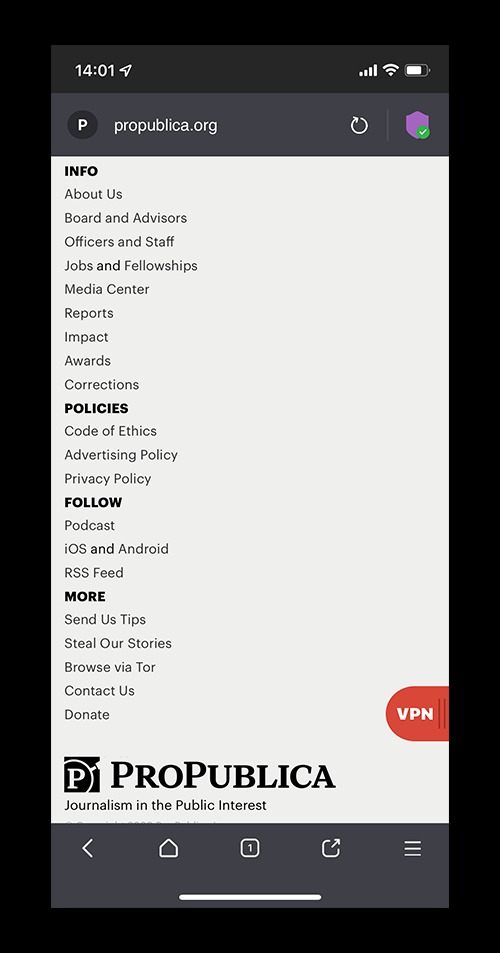
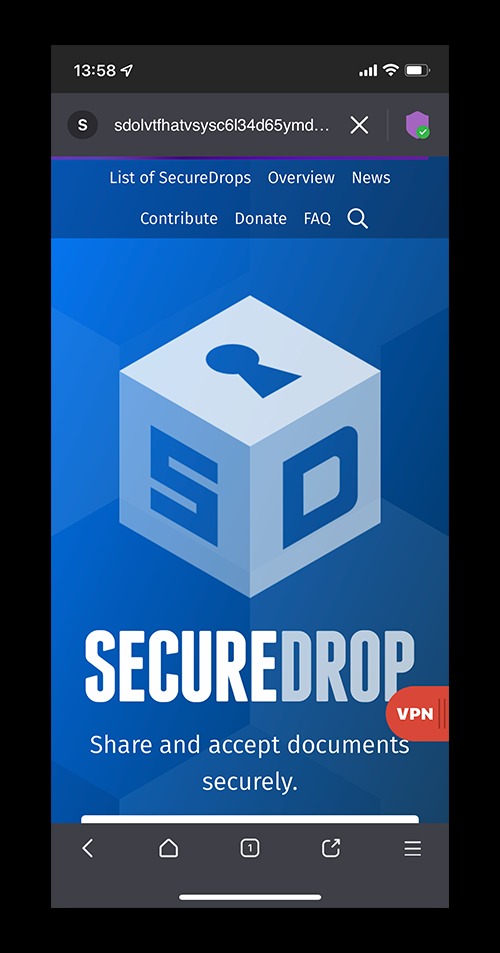
Despite its negative connotations, the dark web has legitimate uses. Activists, journalists, and whistleblowers often rely on it to share sensitive information without fear of retribution. Platforms like SecureDrop allow whistleblowers to submit reports to journalists securely, highlighting the potential of the dark web to facilitate freedom of speech and protect human rights.
Conclusion
The dark web links market is a complex and multifaceted environment that requires caution and awareness. While it offers opportunities for illicit activities, it equally serves as a tool for those seeking privacy and freedom. Understanding its workings, risks, and potential for good is crucial for anyone who wishes to engage with this hidden layer of the internet responsibly.