The dark web represents a hidden part of the internet, often shrouded in mystery and associated with various illicit activities. However, it also serves important purposes, such as providing anonymity for individuals living under oppressive regimes, allowing whistleblowers to expose wrongdoing, and serving as a platform for open discussions. Understanding the concept of dark web addresses is essential for those looking to navigate this complex online environment safely and responsibly.
- Advocacy groups are also reaping the advantages of the darknet because, here, the term of censorship is as popular as HTTPS.
- The most well-known topic modeling method is LDA , a generative probabilistic model for textual data.
- The dark web is a part of the internet that you only step into with a specific tool (Tor, more on this later in the article).
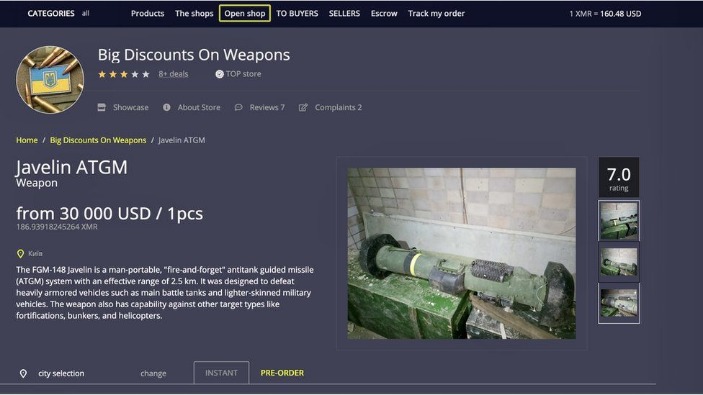
- Crimes range from data theft and selling illegal goods for cryptocurrencies to human trafficking and more severe offenses.
- Wasabi Wallet is a Bitcoin wallet that not only hides all your data in the Tor network but also allows you to "join" your transactions with others to increase your anonymity.
Dark Web Address
The prevalence of TC can be attributed to its versatility in categorizing threat-related content, especially with large volumes of data. Then, we label data items among relevant content as covering technical CTI versus non-technical CTI. We combine diverse hard-to-access data sources and analyze them consistently. Previous research has often considered only a single data source (see our literature review in §2). Additionally, in a recent review of previous studies on darknet content, Basheer and Alkhatib suggest that CTI would benefit from more natural language processing (NLP).
Dark web addresses are unique URLs that lead to websites not indexed by standard search engines like Google or Bing. These addresses typically end with the ".onion" or ".i2p" suffix, corresponding to the Tor and I2P networks, respectively. Users must use special software, such as the Tor browser, to access these sites.
How Dark Web Addresses Work
To better understand dark web addresses, it’s crucial to learn how they function:
- Accessing the Dark Web: Users must download the Tor browser or similar software that allows them to connect to the dark web anonymously.
- Onion Routing: The Tor network uses onion routing, which encrypts and routes users’ internet traffic through multiple servers, obscuring their identity and location.
- Unique URLs: Dark web addresses are not straightforward; instead of memorable names, they consist of a long string of random letters and numbers.
Usage of Dark Web Addresses
While the dark web has garnered negative attention, it serves various legitimate purposes:
- Privacy and Anonymity: Many users seek anonymity for various reasons, including political dissent, freedom of expression, and personal privacy.
- Whistleblowing Platforms: Certain websites enable whistleblowers to share sensitive information securely without fear of retaliation.
- Accessing Restricted Content: Individuals in restrictive environments may find educational resources, forums, or social platforms that are otherwise banned.
Risks of Navigating the Dark Web
- Download AVG Secure VPN to encrypt your internet connection and protect your privacy wherever you go on the web.
- If you want to access this site, do so only for fair purposes and with proper security measures.
- This platform is a time capsule with content, primarily web pages.
- There are no laws restricting access to websites on the dark web.
- Secure data both in motion and at rest, eliminating vulnerabilities and inspecting outgoing traffic to stop data loss.
While there are benefits, navigating dark web addresses also comes with significant risks:
- Illegal Activities: Many dark web sites engage in or promote illegal activities, including trafficking, hacking services, and the sale of illicit goods.
- Scams and Fraud: Users may encounter fraudulent schemes and scams that can lead to financial loss or identity theft.
- Security Threats: Accessing certain sites can expose users to malware or hacking attempts, compromising their data and devices.
Frequently Asked Questions (FAQs)
Q: Is it illegal to access the dark web?
A: Accessing the dark web is not illegal. However, engaging in illegal activities on the dark web is against the law.
Q: How can I ensure my safety while browsing?
A: Use a reputable VPN service alongside the Tor browser, avoid sharing personal information, and be cautious about the websites you visit.
Q: What are some legitimate uses of the dark web?
A: Legitimate uses include seeking information in oppressive regimes, whistleblowing, and engaging in privacy-focused discussions.
In conclusion, understanding dark web addresses and the context in which they exist is vital for anyone interested in exploring this hidden internet realm. Whether for personal privacy or critical information access, being informed about the risks and benefits can help individuals navigate safely and responsibly.