The dark web is a part of the internet that is not indexed by traditional search engines. It consists of various hidden networks that require specific software, configurations, or authorization to access. While often associated with illicit activities, the dark web can also serve as a platform for privacy-conscious individuals, activists, and journalists who need to communicate securely. This article aims to provide a comprehensive dark web list that is informative and educational, shedding light on its components and how it operates.
To the maximum extent of our efforts and ethics, all our content is written by humans. This is an estimated reading time to let you know how long it will take you to read all the content on this particular PrivacyRadar.com page. Many people think of the “dark web” as something straight out of a spy thriller, a digital Wild West filled… It was a cryptocurrency mixing service that helped anonymize Bitcoin transactions by breaking and redistributing them through different wallets.
Dark Web List
Dark websites use .onion domains, which are only accessible via a tool like the Tor browser. The dark web operates on encrypted networks and uses protocols that traditional search engines can't access. Dark web search engines are specialized tools that allow users to search the dark and deep web. It's a hidden layer of the internet beyond the reach of traditional search engines. With the creation of Tor, users could now browse the internet completely anonymously and explore sites that were deemed part of the "dark web." What's known as the dark web exists within the deep web; it's an area of the internet that is only accessible by users who have a Tor browser installed.
It avoids JavaScript entirely, believing this improves overall security and lowers the risk of browser fingerprinting. The platform operates with maximum simplicity and anonymity. By default, Haystak does not censor content. The free version is a straightforward search tool. Haystak offers an uncensored yet privacy-focused search engine experience. Torch also provides very little context for its search results and offers no real filtering, making it highly inefficient for targeted searches.
Understanding the dark web requires knowledge of its key components and the sites that inhabit it. Below is a categorized rundown of notable dark web sites and resources:
- DuckDuckGo’s .onion service offers Tor users the same level of privacy that the service now provides to clearnet users; this is an essential first step because of the privacy aspect of this type of search engine.
- Their website is accessible on the clear web, but it also has a .onion site, allowing visitors to browse it anonymously, especially those living under oppressive regimes.
- However, it can only communicate to the gateway, which is the best way for the browsers to protect user apps from getting the device’s IP.
- If you need a listing of currently active websites, contact their support, and they will provide you with that.
- It allows users to prove their identities using cryptographic keys and connect across multiple online services without revealing their personal data.
1. Marketplaces
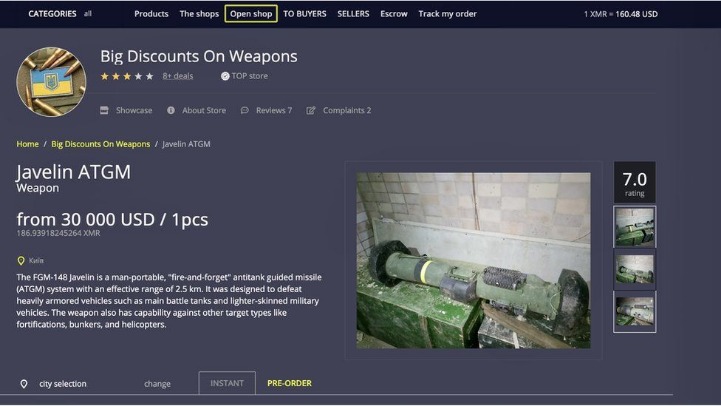
Dark web marketplaces function as online storefronts where goods and services, often illicit, are bought and sold. Here are a few notable ones:
- Silk Road: Once the most famous darknet market, it's a historic case that demonstrated the potential of online anonymity.
- AlphaBay: Known for a wide array of products, including drugs and hacking services, it was taken down by law enforcement but has inspired many successors.
- Hansa Market: Similar to AlphaBay, it was also targeted by law enforcement, highlighting the risks involved in using such platforms.
2. Forums and Communities
Forums provide spaces for discussions, advice, and information sharing among dark web users:
- DarkNetMarkets: A forum dedicated to marketplace discussions, tips, and user reviews.
- OVH Forum: A community centered around hosting services and cybersecurity.
- Raid Forums: A platform for sharing hacking advice and tools, commonly frequented by programmers and cybersecurity enthusiasts.

3. Whistleblower Platforms
These sites are crucial for safeguarding the identities of whistleblowers or those needing to share sensitive information:
- SecureDrop: Designed for journalists and news organizations, it facilitates anonymous communication with sources.
- GlobaLeaks: An open-source whistleblowing framework that aids in secure information sharing.
- The Intercept’s SecureDrop: A similar platform focused on journalistic integrity and source protection.
4. Educational Resources
Knowledge is power, especially when navigating the dark web. Here are some educational resources:
- The Dark Web Handbook: This guide provides insights into using the dark web safely and responsibly.
- Cybersecurity Blogs: Various blogs that cover dark web trends, risks, and security measures.
- Online Courses: Several platforms offer courses focusing on cybersecurity, including aspects of the dark web.
5. Cybersecurity Tools
Protecting oneself on the dark web is essential, and several tools can help:
- Tor Browser: The most popular tool for accessing the dark web, using onion routing for anonymity.
- VPN Services: Adding an extra layer of security and privacy, VPNs help mask user location and activity.
- Encrypted Messaging Apps: Apps like Signal or Wickr for secure communication without compromising anonymity.
- Initial Access Brokers sell compromised VPN, RDP, or administrator credentials, enabling other criminals to launch large-scale attacks.
- Tor has been praised for providing privacy and anonymity to vulnerable Internet users such as political activists fearing surveillance and arrest, ordinary web users seeking to circumvent censorship, and people who have been threatened with violence or abuse by stalkers.
- ZeroBin offers an extra secure version of this service by only encrypting and decrypting text in the browser, meaning their servers have no knowledge of what is passing through it.
- One option is to try DuckDuckGo’s .onion version, which is great for privacy.
- Dark web search engines find it really simple for users to access the hidden .onion sites that are not displayed on the surface web.
- I found their technical explanations clear and well-researched, though the site updates less frequently than other news platforms.
Conclusion
While the dark web can seem daunting, understanding its structure and available resources is crucial for anyone who seeks to navigate this hidden part of the internet. The dark web list provided here outlines not only marketplaces but also forums, whistleblower platforms, educational resources, and cybersecurity tools. Staying informed allows individuals to make educated decisions regarding their internet use, whether for protection of privacy or seeking information unavailable on the surface web.