In the digital age, where information flows freely and technology connects the globe, the concept of a black market website has taken on a new and often misunderstood meaning. These platforms, hidden from public view and often operating in legal gray areas, serve as marketplaces for various goods and services that may not be legally sanctioned. Understanding what these websites entail is crucial for anyone interested in the dynamics of online commerce and cybersecurity.
Understanding Black Market Websites
Law enforcement agencies took down the online marketplace in 2013 and arrested its alleged founder — and again, in 2014 — but similar cartels still operate using the same methodology. The most famous example of illegal Dark activity was Silk Road, which used a combination of Bitcoins and the Dark Web to exchange recreational drugs internationally. But even if your online activity is private, security is still essential to avoid the threats that lurk online. Anonymous browsing with a VPN or other encryption services will help hide your online activity from your government, ISP, or other prying eyes. Even if you aren’t perusing darknet markets, true anonymous browsing will keep you safe from prying eyes — such as snoops, your ISP, and hackers. US agencies, like the FBI, are constantly working with international law enforcement groups to stop the growth of dark web markets around the world.
Black market websites are online platforms where illegal or prohibited goods and services are bought and sold anonymously. The anonymity is typically facilitated by the use of cryptocurrencies and specific privacy-focused technologies. Here are some common aspects associated with these websites:
Key Characteristics
- Anonymous Transactions: The use of cryptocurrencies like Bitcoin allows users to transact without revealing their identities.
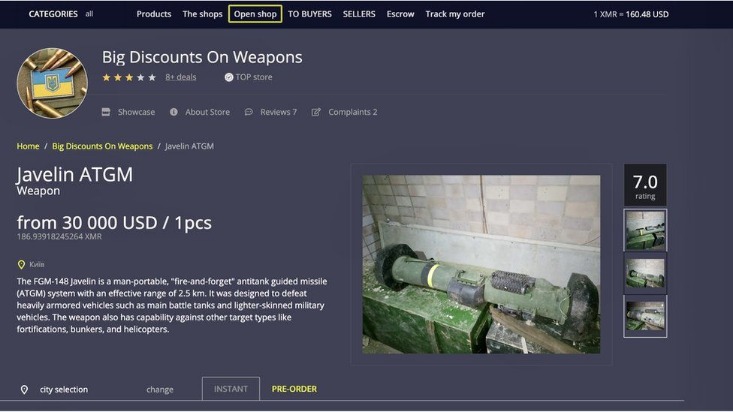
- Variety of Goods: These sites may offer a diverse range of products, from illicit drugs and counterfeit items to hacked accounts and stolen data.
- Access Methods: Many black market websites require specific access methods, such as using the Tor browser, to ensure user privacy and security.
Popular Categories
While the offerings can vary significantly, some prevalent categories found on black market websites include:
- Drugs: Illicit substances ranging from marijuana to more hazardous narcotics.
- Counterfeit Goods: Fake luxury items that mimic high-end brands.
- Stolen Data: Personal information, credit card details, and hacked accounts.
- Weapons: Firearms and other weaponry that are illegal to sell in many jurisdictions.
Risks and Consequences
Engaging with black market websites poses several risks:
- Legal Repercussions: Users risk prosecution and severe penalties depending on their jurisdiction.
- Financial Loss: Many platforms lack consumer protections, increasing the chances of fraud.
- Security Threats: Providing personal information can lead to identity theft and other cybercrimes.
Staying Safe Online
For those curious about the dark web or seeking to learn more for educational purposes, consider these safety tips:
- Use a VPN: Always employ a Virtual Private Network for additional privacy.
- Do Your Research: Understand the legal implications before exploring any site.
- Stay Informed: Keep up with current laws and regulations surrounding online activities.
- Its focus on financial fraud and high-value transactions has attracted a dedicated user base, contributing to its growing reputation and market value.
- You won't find drugs here, but you will find tons of credentials, RDP access, CVVs, and records stolen using malware.The platform works with data collected by well-known malware such as Lumma, RedLine, Raccoon, Vidar, and Aurora.
- The term black market can also be used in reference to a specific part of the economy in which contraband is traded.
- Check out our list of the best dark web links and how to navigate onion and Tor sites safely.
Frequently Asked Questions
What is the purpose of a black market website?
A black market website facilitates the sale of illegal goods and services, often escaping the scrutiny of authorities.
How do people access these websites?
Access usually requires special browsers, like Tor, to maintain anonymity and security while navigating these hidden sites.
Are there legal alternatives to these websites?
Yes, there are numerous legal marketplaces where goods can be purchased safely, such as e-commerce platforms and classified ad websites.
Conclusion
While black market websites illustrate the darker side of online commerce, understanding their operation can empower individuals to navigate the digital landscape more safely. By remaining informed and cautious, users can protect themselves against potential risks associated with these illicit platforms.