The concept of the dark web often invokes a sense of mystery and intrigue. While many associate it with illegal activities, there are also legitimate uses for this part of the internet that remain unindexed by standard search engines. To access these hidden layers of the web, understanding how to perform a dark web login is essential. This article will guide you through the necessary steps and precautions needed when venturing into the dark web.
It is a labor of love produced by an international community of people devoted to human rights. The need for tools safeguarding against mass surveillance became a mainstream concern thanks to the Snowden revelations in 2013.Not only was Tor instrumental to Snowden's whistleblowing, but content of the documents also upheld assurances that, at that time, Tor could not be cracked. It not only protected people's identity online but also allowed them to access critical resources, social media, and websites which were blocked. In the early 2000s, Roger Dingledine, a recent Massachusetts Institute of Technology (MIT) graduate, began working on an NRL onion routing project with Paul Syverson.To distinguish this original work at NRL from other onion routing efforts that were starting to pop up elsewhere, Roger called the project Tor, which stood for The Onion Routing. Just like Tor users, the developers, researchers, and founders who've made Tor possible are a diverse group of people. The Tor Project, Inc, became a 501(c)(3) nonprofit in 2006, but the idea of "onion routing" began in the mid 1990s.
Browse a glossary of Tor and privacy-related terms to better understand how our tools work. Answers common questions about abuse on Tor, explaining the network's role, its limitations, and how it responds. Relays are volunteer-run nodes that carry traffic on the Tor network. Circumvent censorship.
Dark Web Login
To successfully access the dark web, one must understand the tools and methods required to ensure both anonymity and safety. Here’s a breakdown of the process:
Understanding the Dark Web
The dark web is a part of the internet that requires specific software to access. It is often used for anonymity and privacy, enabling users to communicate, transact, and share information without censorship. However, it is essential to approach with caution.
- Tor bridges, Snowflake, and other tools for getting around internet censorship.
- The need for tools safeguarding against mass surveillance became a mainstream concern thanks to the Snowden revelations in 2013.Not only was Tor instrumental to Snowden's whistleblowing, but content of the documents also upheld assurances that, at that time, Tor could not be cracked.
- Technical manual and guide for the core tor daemon ("little-t tor"), which powers the Tor network and our apps.
- In 2007, the organization began developing bridges to the Tor network to address censorship, such as the need to get around government firewalls, in order for its users to access the open web.
Requirements for Access
- Tor Browser: The most common way to access the dark web is via the Tor network. Download the Tor Browser from the official website.
- VPN Service: Enhancing your privacy with a Virtual Private Network (VPN) is advisable to encrypt your connection.
- Security Measures: Familiarize yourself with secure password practices, and consider using a password manager for storing your credentials.
Steps to Perform a Dark Web Login
- Install the Tor Browser: Download and install it directly from the official Tor Project site to avoid malware or phishing attempts.
- Connect to a VPN: Activate your VPN service to enhance privacy before launching the Tor Browser.
- Open the Tor Browser: Once installed, open the Tor Browser and wait for it to connect to the Tor network.
- Access .onion Websites: Enter the specific .onion URL you wish to visit—these sites are not accessible from standard browsers.
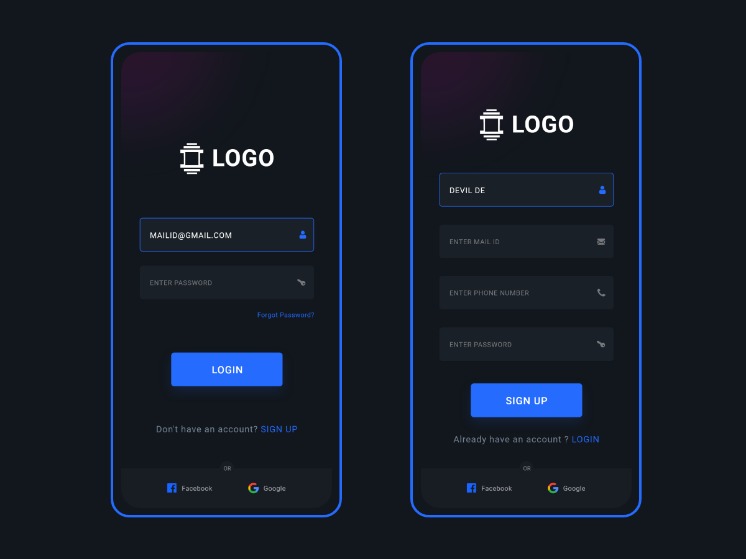
- Create an Account (if necessary): For sites that require login, follow their registration process but ensure you use a strong, unique password.
Staying Safe on the Dark Web
While the dark web can be a resource for anonymity, it is crucial to take measures to protect your identity and information. Here are some tips:
- Refrain from sharing personal information.
- Avoid downloading files unless you are certain of their safety.
- Be cautious of potential scams and fraudulent content.
- Deactivate location tracking on your devices.
Frequently Asked Questions
What is the dark web?
The dark web is a segment of the internet that isn't indexed by traditional search engines and requires specific software to access, most commonly the Tor network.
Is it illegal to access the dark web?
- Tor Browser is available in multiple languages in a single multi-locale download, which can be changed using the menu in General settings.
- Browse a glossary of Tor and privacy-related terms to better understand how our tools work.
- Tails is a portable operating system that protects against surveillance and censorship.
- Circumvent censorship.
- 7aSecurity conducted a comprehensive code audit for several tools we use to monitor the health of the Tor network.
- Tor Project develops privacy-focused tools to help you stay anonymous and bypass censorship.
No, accessing the dark web itself is not illegal; however, some activities conducted there may be against the law, so users should exercise caution.
How can I remain anonymous while browsing the dark web?
Use a combination of a VPN and the Tor Browser, avoid sharing personal information, and regularly update your security software.
What should I do if I encounter harmful content?
If you come across illegal or harmful content, report it to the appropriate authorities and exit the site immediately.
Exploring the dark web requires a balance of curiosity and caution. By understanding how to conduct a dark web login, you empower yourself with knowledge that can contribute to informed usage of this enigmatic part of the internet. Always remember to prioritize your safety and the legality of your actions while navigating online spaces.