The dark deep web often evokes a sense of mystery and intrigue, drawing curiosity from those who hear about it. While popular media often misrepresents this hidden part of the internet, understanding what the dark deep web really is can promote informed conversations about online safety and security. This article will explore the nature of the dark deep web, its uses, associated risks, and how individuals can navigate it responsibly.
Navy and made public in 2004, Tor is the most popular dark web browser because of its unrivaled security and privacy. Many who access the dark web do so by first connecting to it with the Tor (an acronym for the “The Onion Router”) browser. Getting to the dark web is actually a lot easier than you might think—navigating it is a different story. When you access the dark web, you’re not surfing the interconnected servers you regularly interact with. Think of the dark web, then, as a small subset of the deep web that regular browsers can’t access.
What is the Dark Deep Web?
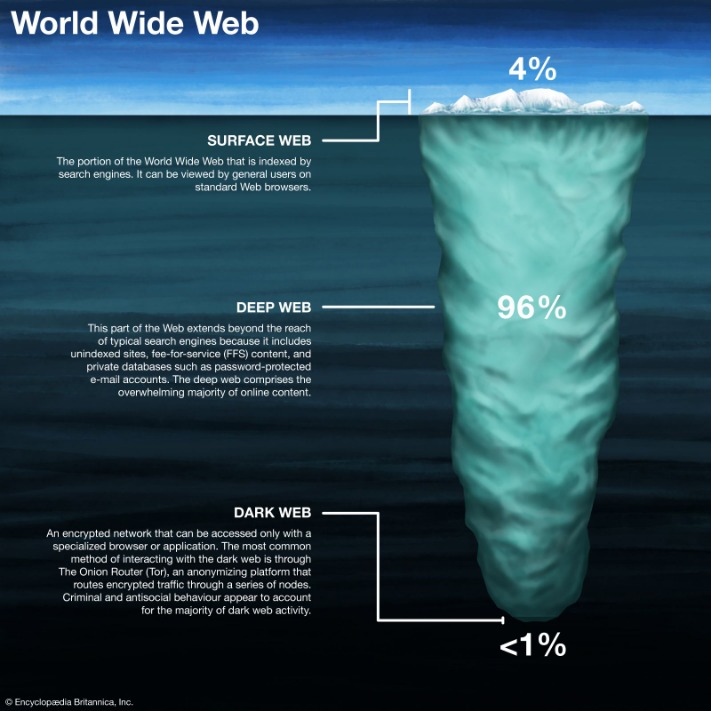
The internet consists of layers, with the surface web being the part accessible through standard search engines like Google and Bing. Beneath that lies the deep web, which encompasses everything not indexed by search engines, including:
- Private databases
- Online banking portals
- Subscription content
- Intranet pages
However, the dark deep web refers specifically to a small portion of the deep web that has been intentionally hidden and is inaccessible through standard web browsers. Accessing this segment typically requires specialized software, most commonly the Tor browser.
Uses of the Dark Deep Web
While the dark deep web has gained notoriety for its association with illegal activities, it serves various legitimate purposes, including:
- Privacy Protection: Journalists and activists use the dark web to communicate safely and anonymously in countries with strict censorship.
- Whistleblowing: Platforms like SecureDrop allow whistleblowers to submit information anonymously.
- Forums and Communities: Many niche communities gather on the dark web to discuss topics that may not be safe to talk about on the surface web.
- The dark web is quite small when compared with the internet as a whole.
- It’s important to note that the Dark Web is not inherently illegal.
- ZeroBin is a minimalist paste-bin tool that allows users to share text securely and privately on the Tor network.
- In many places, simply visiting the dark web (or using privacy tools) is also legal.
Risks Associated with the Dark Deep Web
Engaging with the dark deep web comes with significant risks, including:
- Exposure to Illegal Content: Accessing illegal goods or services can lead to criminal charges.
- Scams and Fraud: Many transactions are unregulated, making users vulnerable to scams.
- Malware and Cyber Threats: The risk of encountering harmful software or hackers is significantly higher.
How to Navigate the Dark Deep Web Safely
For those who choose to explore the dark deep web, adhering to safety precautions is crucial:

- Use a VPN: A Virtual Private Network will help shield your IP address from potential threats.
- Access through Tor: Download and use the Tor browser to access dark web sites anonymously.
- Be Skeptical: Always question the legitimacy of the sites you visit and the services they provide.
- Secure your Device: Use updated antivirus software and keep your security practices robust.
Frequently Asked Questions
Is the dark deep web illegal?
- The Tor network is operated by thousands of volunteers worldwide who maintain the proxy servers that protect your identity.
- It is estimated that about 96% of the internet is part of the deep web, while the surface web makes up only 4%.
- Riseup provides email and chat services that keep no record of your online activity.
- However, it’s also notorious for hosting illegal activities, including illicit marketplaces and hacker forums.
- Developed by the Freedom of the Press Foundation, the dark web site allows users to privately submit documents and sensitive materials without revealing their identity.
Not inherently. While it is associated with illegal activities, many users employ it for legitimate reasons, such as protecting privacy and free speech.
What do I need to access the dark deep web?
To access the dark deep web, you typically need the Tor browser, an understanding of safe browsing practices, and possibly a VPN for added security.
Can I get caught using the dark deep web?
While anonymity tools exist, law enforcement agencies are increasingly capable of tracing activities. Engaging in illegal activities poses significant risks of being caught.
In summary, the dark deep web is a complex realm that offers both opportunities for privacy and significant dangers. Understanding it helps individuals make informed decisions about their online behavior while navigating this hidden part of the internet responsibly.