The currently darknet markets represent a complex and often misunderstood aspect of the internet, functioning as hidden platforms for the exchange of goods and services that are typically not available on the surface web. While they often attract significant attention due to their association with illegal activities, it’s important to understand their structure, operation, and the risks involved. This article aims to shed light on these markets, their current state, and their impact on society, ultimately fostering informed awareness among readers.
Currently Darknet Markets
Darknet markets are websites that require specific software and configurations to access, such as Tor or I2P. These markets usually operate through an anonymous network, allowing users to buy and sell a variety of products, often including illegal items like drugs, weapons, and stolen data. However, it’s important to note that not all goods traded are illicit; some users seek privacy for legitimate reasons, like avoiding censorship.
Since the dark web can be accessed through the Tor browser, use a VPN with the Tor browser to ensure increased protection. It also masks your IP address, making it difficult for government agencies to monitor or track your activities. A VPN encrypts the data traffic and keeps your activities private on the dark web. It allows access to the .onion sites on the dark web that you won’t find using a regular browser.
How Do Darknet Markets Operate?
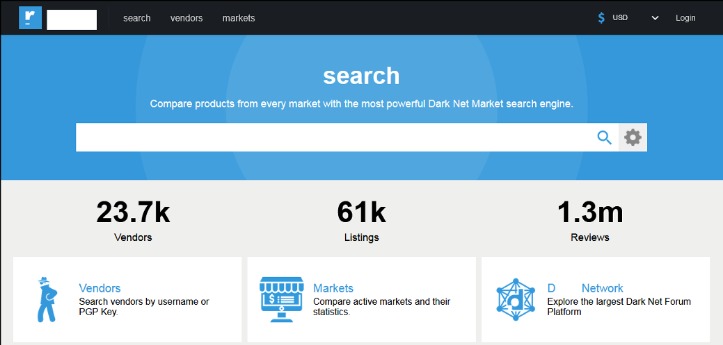
Its interface makes it easy to identify clone websites and ensures that users always use the authentic site. The market organizes everything clearly, more likely in an attempt to help newcomers (we should rather say criminals) find what they need easily. Operating more like a legit e-commerce platform (surprisingly), the market operates a 14-day escrow system, but it lets you opt for Finalize Early (FE) if you trust a vendor.
At their core, currently darknet markets utilize a system of escrow for transactions. When a buyer makes a purchase, their payment is held in escrow until the seller provides proof of delivery. This mechanism enhances trust and reduces the risk of scams, although it does not eliminate them entirely. Transactions typically occur using cryptocurrencies, such as Bitcoin, to maintain anonymity for both buyers and sellers.
Popular Platforms
As of now, several darknet markets have gained notoriety. Markets like Hydra and Avision are prevalent, boasting a wide range of products. Each market has unique characteristics, user bases, and administrative structures that influence their operational longevity, safety, and the variety of offerings. For instance, Hydra primarily serves Russian-speaking users, while Avision has attracted a more global demographic.
Risk Factors
Engaging with currently darknet markets involves substantial risks. Buyers may encounter scams or be exposed to malware that can compromise their personal information. Furthermore, law enforcement agencies continuously monitor these platforms, leading to arrests and shutdowns. Users risk legal repercussions, financial loss, and exposure to dangerous situations, all of which necessitate a cautious approach.

The Role of Cryptocurrency
- In some cases, this activity routes through regional high-risk exchanges or regional and international exchanges operating across multiple jurisdictions.
- In this explainer piece, we’ll cover what a darknet marketplace (“DNM”) is, how administrators obfuscate their infrastructure, and why in the case of Hydra and several other recent takedowns, law enforcement and regulators were able to identify and disrupt the marketplaces.
- Classic darknet markets sell diverse illegal goods; data stores focus on leaked or stolen data like credentials, databases, and ID records.
- Because everything here revolves around stolen accounts and access credentials.
- Mixing uses of both these terms has been described as inaccurate, with some commentators recommending the terms be used in distinct fashions.
Cryptocurrencies play a pivotal role in the functioning of darknet markets, offering a degree of anonymity not present in traditional banking. However, the volatility of these currencies can pose challenges for both buyers and sellers. Price fluctuations can impact the total cost of transactions, making it difficult for users to reliably forecast expenses.
Future of Darknet Markets
The future of currently darknet markets remains uncertain. As technology evolves, so do methods of law enforcement and market security. Innovations like decentralized marketplaces are emerging, potentially changing the landscape of online anonymity and illicit transactions. Understanding these trends is crucial for anyone seeking to navigate this underground economy.
In conclusion, while darknet markets can often be perceived as ominous spaces, it is essential to approach the topic with a nuanced understanding. Awareness of their operations, risks, and legal implications can empower individuals to make informed choices. As the landscape continues to shift, staying educated is key to navigating the complexities surrounding currently darknet markets.