In recent years, the rise of online platforms has led to a significant transformation in how goods and services are exchanged around the world. Among these platforms are dark markets, which operate in the hidden corners of the internet, providing anonymous avenues for buying and selling a range of products. Dark markets Slovakia exist within this complex landscape, and understanding their operations is crucial for users to navigate the web safely and responsibly. This article explores what dark markets are, their implications in Slovakia, and essential information to ensure public awareness and safety.
Law enforcement routinely shatters this false sense of security, as shown not only by this platform takedown but also by local operations like the Texas Dark Web sting, proving that buyers and sellers face a real risk of identification and arrest. They traded computer malware and hacking tools as services, along with fake ID cards, including passports and driver’s licenses. The BKA (Federal Criminal Police Office of Germany) revealed that there were 42,000 items for sale on the market, hundreds of registered sellers, and tens of thousands of buyers. Alan also supplied narcotics and other serious criminal products through Kingdom Marketplace. For more than 2 years, this site was an online meeting place where buyers could buy drugs, hacking equipment, and stolen identities. Civil society organizations remain active but face rising legal and financial pressures, especially from proposed laws that might restrict their activities.
What Are Dark Markets?
Dark markets, often referred to as dark web markets, are online marketplaces that utilize encryption and anonymity to facilitate transactions. Typically, these platforms are accessible only via specific software, such as Tor, that masks users' identities. While dark markets can enable the purchase of legitimate goods, they are often notorious for illegal activities, including the trade of drugs, counterfeit currency, and stolen data.
The State of Dark Markets in Slovakia
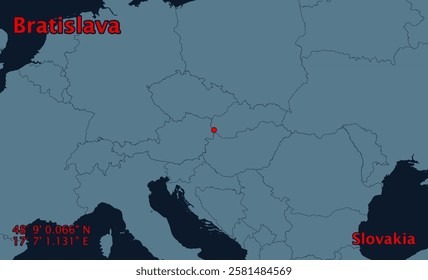
Slovakia has seen a growing interest in dark markets, mirroring trends across Europe. Cybercriminals and unsuspecting users alike are drawn to these platforms for various reasons, ranging from the search for anonymity to the desire for products that may be otherwise difficult to obtain legally. Understanding the landscape of dark markets Slovakia is essential for recognizing the risks and implications for both buyers and the broader community.
Key Characteristics of Dark Markets
- Understanding darknets is essential for organizations to recognize and combat the threats they pose.
- Policymakers often struggle to balance enforcing the law with making legal markets more accessible and protecting vulnerable groups.
- Therefore, most cybersecurity experts recommend using Monero while shopping on darknet markets.
- Many people know the platform for having a large amount of stolen data, making it a go-to place for people who want to commit identity theft & fraud.
- Black markets tend to appear when people have limited access to legal goods or services, when rules are unclear, or when enforcement is weak.
Dark markets typically share several characteristics that distinguish them from traditional online marketplaces:
- Anonymity: Both buyers and sellers often operate under pseudonyms, with transactions usually conducted using cryptocurrencies to further mask identities.
- Diverse Product Range: While many dark markets focus on illegal goods, others may offer legal products or services. The lack of regulation means that buyers must exercise extreme caution.
- Community Trust Systems: Most dark markets incorporate review systems, allowing users to rate their experiences, which can aid in establishing credibility among sellers.
Legal and Ethical Concerns
The presence of dark markets Slovakia raises several legal and ethical questions. Authorities are increasingly focused on monitoring and shutting down these platforms, as they often facilitate illicit activities that threaten public safety. It is crucial for individuals to understand the laws surrounding online transactions in Slovakia, as participation in illegal trade can lead to severe consequences, including criminal charges.
Staying Safe and Informed
- It offers counterfeit documents, financial fraud tools, hacking and malware services.
- It is one of the only major sites that has an English user interface, and is therefore more conducive to attracting international buyers.
- Black markets exist outside government control and usually deal in illegal goods or services, or in goods traded to avoid rules and taxes.
- Pro-Russian hacker groups have been implicated in cyberattacks targeting Slovakia’s financial and transportation sectors, posing a national security risk.
- The law enforcement action against DarkMarket sprung from a larger investigation that saw the takedown of website hosting provider CyberBunker in southwestern Germany in September 2019.
- "It gave us all goosebumps" says Sebastian Zwiebel, as he describes the moment his team shut down Hydra, the world's largest darknet marketplace.
For those curious about dark markets or individuals considering their use, education and awareness are vital. Users should be aware of the following:
- Risk of Fraud: Many dark market users fall victim to scams, with nonexistent products or services leading to lost money.
- Law Enforcement Activities: Authorities continually monitor dark web activities to combat illegal practices. Buying or selling illegal goods can result in arrest and imprisonment.
- Impact on Communities: The activities facilitated by dark markets can have broader implications for societal safety and welfare, impacting communities and families.
Conclusion
Understanding the dynamics of dark markets Slovakia equips individuals with the knowledge needed to make informed decisions online. While these platforms may offer a range of products, the risks and legal implications often outweigh potential benefits. Public awareness and education are crucial in mitigating the dangers associated with these marketplaces and fostering a safer digital environment for everyone.