The internet has transformed the way we communicate and access information, but it also comes with a myriad of complexities. One of the more intriguing aspects of this digital landscape is the “onion” network, commonly associated with the term adresse onion. This refers to a specific type of web address that allows users to access hidden services on the Tor network, promoting privacy and anonymity. In this article, we will explore what adresse onion is, how it works, and its applications, shedding light on the importance of privacy and security in today's online world.
On the dark web, some engines attempt to do similar by filtering out known abuse material such as child exploitation, violent illegal content and known scam or malware sites. The process is slower and less comprehensive because many onion sites are transient or not well interlinked. By design, dark web sites aren’t indexed by Google they live on the Tor network or similar anonymity networks and require the Tor Browser to access.
Adresse Onion
- While many dark websites appear sketchy, The New York Times is an exception.
- While operating on the dark web, it's crucial to prioritize security and adhere to legal and ethical guidelines.
- SMP relays, on another hand, do not form a network.
- In that spirit, the CIA launched an onion site to help people around the world access its resources securely.
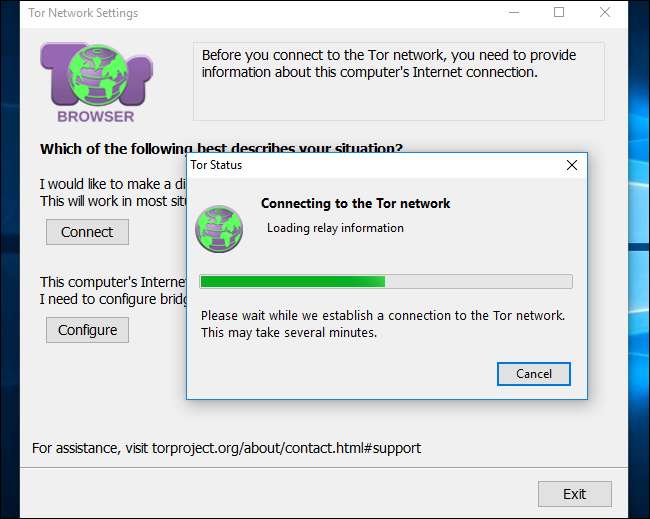
Adresse onion denotes URLs that are specifically designed for use on the Tor network. These addresses typically end with the ".onion" suffix and are not accessible through standard web browsers. Instead, users must install the Tor browser, which encrypts their internet traffic and routes it through a series of volunteer-operated servers, known as nodes, enhancing anonymity.
How Does It Work?
The functioning of adresse onion revolves around the concept of layered encryption, hence the reference to “onion.” When a user accesses a .onion site, the Tor browser encrypts the request multiple times before sending it through the Tor network. Each node in the network removes one layer of encryption, ultimately leading to the destination website while obscuring the origin of the request. This process significantly enhances user confidentiality and security.
Benefits of Using Adresse Onion
There are several benefits to using adresse onion sites, especially for individuals who prioritize privacy:
- Anonymity: Users can navigate the web without revealing their IP addresses or personal information.
- Censorship Resistance: Onions services can often bypass government censorship, providing access to information that would otherwise be restricted.
- Safe Communication: Secure channels for communication, particularly for journalists and whistleblowers, help in sharing sensitive information safely.
Common Misconceptions
While the use of adresse onion can be associated with illegal activities due to media portrayals, the reality is more nuanced. Many users access onion services for legitimate purposes, such as seeking news in oppressive regimes or communicating confidentially. The Tor network has valuable applications in areas like privacy advocacy, research, and social activism.
Accessing Adresse Onion Websites
To access adresse onion sites safely, users should take the following steps:
- Download and install the Tor browser from the official website.
- Ensure that your network settings are configured for optimal security.
- Enter the .onion URL into the Tor browser to access the hidden service.
Conclusion
Understanding adresse onion broadens our perspective on internet privacy and safety. As the digital realm continues to evolve, safeguarding personal information is more crucial than ever. Whether for activism, journalism, or simply to enjoy a more private browsing experience, adresse onion presents a unique tool for those seeking anonymity online.