
The dark web is a part of the internet not indexed by standard search engines like Google or Bing. People worrying about their data need to check their digital footprint periodically and seek services specifically offering data removal and monitoring services in order to minimize the potential risks. Although most of this Deep Web can contain legitimate content that users can control with privacy settings and requests, much of the Dark Web contains data without the owners’ consent. Possibilities of exposure to dangers like leakage of data or content violating the law are reduced, providing that the applicable users have the correct credentials and authorization. This lack of indexing of its content makes these layers of the internet less easily accessible and harder to navigate than the Surface Web.
The dark web often evokes a sense of mystery and curiosity. It is a part of the internet that is not indexed by traditional search engines, making it a space where anonymity is paramount. However, it is essential to understand how to access this part of the internet responsibly and safely. This article will guide you through the basics of navigating the dark web, the tools you need, and precautions to ensure your digital safety.
- An award-winning cybercrime threat intelligence firm, KELA's mission is to provide 100% real, actionable intelligence on threats emerging from the cybercrime underground, to support the prevention of digital crimes.
- The dark web's primary allure for many users is its ability to anonymize their identities and activities.
- The most effective defense against dark web threats is preventing your sensitive data and credentials from being compromised in the first place.
- The Onion Router (TOR) technology used by the TOR browser and the Dark Web was created by a project funded by the US Naval Research Lab (NRL).
- The tips above will protect companies who do not intend to access the dark web.
Predicting privacy issues in 2026, when online risks are expected to rise, many users are on the lookout for dependable methods of accessing hidden services without their identity being revealed. Also known as the visible web or the indexed web, it includes content such as news websites, social media platforms, online stores and blogs. It allows users to browse websites with “.onion” domains that are only accessible within its environment. While the term “deep web” might evoke images of hidden, secretive content, most of it is just routine data stored on private networks.
Accessing Dark Web
The dark web is frequently associated with illegal activities, but it also serves as a crucial platform for free speech in oppressive regimes, privacy advocates, and whistleblowers. To access this hidden part of the internet, you must follow specific steps effectively and securely.
What You Need
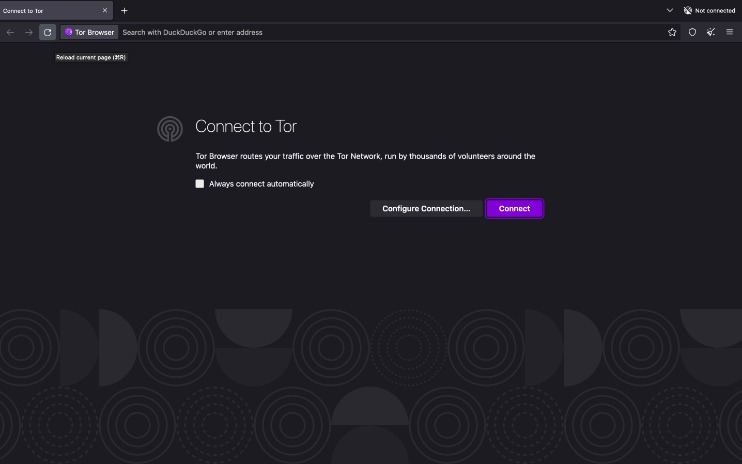
Before navigating the dark web, acquiring the right tools is critical. Here are the essentials:
- Because dark web sites are intentionally hidden, you can’t “Google” your way to them.
- The dark web is a secluded and anonymized part of the internet, designed to offer privacy and secrecy.
- Since software applications like Tor provide dark web users with more protection as they browse, it’s easy to think that there are fewer cyber-attacks and threats.
- Threat actors often use the dark web to conduct their operations anonymously, making it a significant concern for cybersecurity professionals and law enforcement agencies.
- Next, select a dark web search engine like DuckDuckGo that can help you find dark web websites that cannot be indexed by traditional surface web search engines, such as Google or Bing.
- These dark web commerce sites are often powered by cryptocurrency, so the users can shroud their purchases in purported anonymity.
- Tor Browser: This is the most common method for accessing the dark web. Tor anonymizes your online activity by rerouting your connection through multiple servers, cloaking your IP address.
- VPN (Virtual Private Network): Using a VPN adds an extra layer of security by encrypting your internet connection, further protecting your anonymity.
- Secure Operating System: Consider using an operating system designed for privacy, like Tails, which runs from a USB stick and leaves no trace on your device.
How to Access the Dark Web
With the right tools in place, you can begin your exploration:
- Download and Install Tor: Obtain the Tor browser from the official website. Ensure you verify the authenticity to avoid malicious versions.
- Connect to a VPN: Before launching Tor, connect to your VPN to enhance your security and privacy.
- Launch Tor Browser: Open the Tor browser and allow it to establish a connection.
- Access .onion Sites: Navigate to websites with the .onion domain. These sites are only accessible through the Tor network.
Safety Precautions
While the dark web can be a resourceful space, it is crucial to maintain your safety. Here are some tips to consider:
- Do Not Share Personal Information: Avoid disclosing any identifiable details, such as your real name, address, or financial information.
- Be Wary of Scams: The dark web is rife with scams, so approach all transactions with caution.
- Use Encryption: For secure communications, consider using encryption tools like PGP (Pretty Good Privacy).
- Stay Informed: Understanding the risks associated with the dark web is key to navigating it safely. Stay updated with security tips and news related to your online safety.
Conclusion
Accessing the dark web can be a useful tool for privacy advocates, journalists, and individuals needing a safe space for free expression. However, it comes with its own set of risks and responsibilities. By following the above guidelines, you can explore the dark web while prioritizing your security and privacy. Being informed is crucial, and understanding how to navigate this part of the internet responsibly can empower individuals to use it effectively.