The dark web is often shrouded in mystery and intrigue, attracting attention for both its legitimate and illicit activities. One of the more unsettling aspects is how easily one can find services and products that facilitate illegal transactions, such as dark web buy credit cards. Understanding this subject can help individuals make informed decisions and protect themselves against potential threats, fraud, and scams.
Download the free Experian appCarry trusted financial tools with you Experian is a globally recognized financial leader, committed to being a Big Financial Friend—empowering millions to take control of their finances. Ben Luthi has worked in financial planning, banking and auto finance, and writes about all aspects of money.
Dark Web Buy Credit Cards
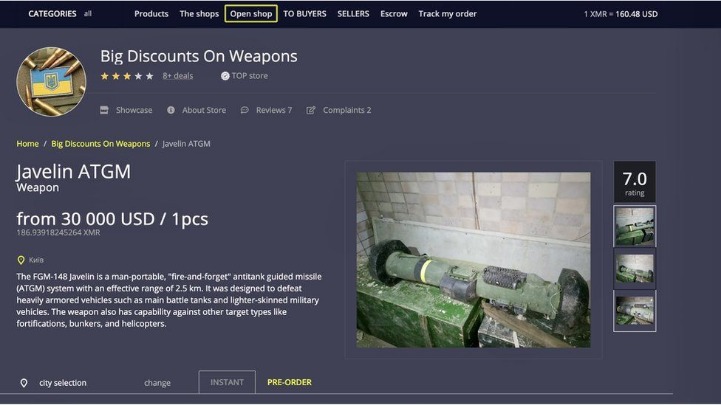
A February 2016 study from researchers at King's College London gives the following breakdown of content by an alternative category set, highlighting the illicit use of .onion services. Tor browser and Tor-accessible sites are widely used among the darknet users and can be identified by the domain ".onion". The dark web, also known as darknet websites, are accessible only through networks such as Tor ("The Onion Routing" project) that are created specifically for the dark web. The dark web forms a small part of the deep web, but requires custom software in order to access its content. The dark web forms a small part of the deep web, the part of the web not indexed by web search engines, although sometimes the term deep web is mistakenly used to refer specifically to the dark web. The dark web is the World Wide Web content that exists on darknets (overlay networks) that use the Internet, but require specific software, configurations, or authorization to access.
When discussing the concept of dark web buy credit cards, it's essential to grasp what the dark web is. The dark web is a part of the internet that is not indexed by conventional search engines. Access requires special browsers, like Tor, which allows users to surf anonymously. This anonymity provides a platform for various activities, some of which are illegal.
How Credit Card Fraud Works on the Dark Web
- It’s an extra layer of security that can make a huge difference.
- Plus, your stainless steel card will always look its best.
- In the relentless battle against cyber threats, financial institutions must deploy proactive strategies and technologies to mitigate risks and protect customers, especially in the context of compromised credit card feeds.
- However, the validity of the data hasn't been confirmed yet, so it could very well be auto-generated fake entries that don't correspond to real cards.
- A February 2016 study from researchers at King's College London gives the following breakdown of content by an alternative category set, highlighting the illicit use of .onion services.
Individuals may acquire stolen credit card information on dark web marketplaces through various methods:
- Data Breaches: Hackers infiltrate databases, stealing credit card information from retailers and services.
- Phishing: Fraudulent emails or websites trick individuals into providing their credit card details.
- Skimming: Devices used at point-of-sale terminals that capture card information when swiped.
Purchasing Stolen Credit Card Information
Once credit card information is stolen, it can be bought and sold on the dark web. Here’s how these transactions typically occur:
- Finding a Marketplace: Users navigate the dark web to find marketplaces that sell stolen cards.
- Confirming Authenticity: Buyers often check for reviews and ratings to ensure they’re not being scammed.
- Payment Processing: Payments may be made in cryptocurrencies to maintain anonymity.
- Delivery of Information: Once paid, the buyer receives the card data, which can be used for fraudulent purchases.
Risks of Engaging in Dark Web Transactions
- The days when dark web marketplaces could operate with impunity are rapidly coming to an end.
- Because the merchant requires equipment to clone the card and must send the buyer a physical product complete with PIN number, the price for cloned cards is much higher.
- Use encryption to protect customer data and secure your payment processing system.
- The platform, distinguished by the sophistication of its administrators, left an indelible mark on the cybercrime landscape, and became the central marketplace for stolen card data, outclassing all competitors.
- In 2015 it was announced that Interpol now offers a dedicated dark web training program featuring technical information on Tor, cybersecurity and simulated darknet market takedowns.
Engaging in the purchase of stolen credit cards presents multiple risks, including:
- Legal Consequences: Buying stolen cards is illegal, and offenders may face significant jail time.
- Financial Loss: Buyers may be scammed or receive invalid information, leading to wasted money.
- Personal Security Risks: Engaging with dark web entities may expose your personal information to cybercriminals.
Protecting Yourself from Dark Web Activities
To safeguard oneself from becoming a victim of dark web buy credit cards activities, consider the following strategies:
- Monitor Financial Statements: Regularly check bank statements and credit reports for unauthorized transactions.
- Use Strong Passwords: Protect online accounts with unique, complex passwords and enable two-factor authentication where possible.
- Educate Yourself: Stay informed about the latest scams and cybersecurity threats.
FAQs about Dark Web and Credit Card Fraud
1. What is the dark web?
The dark web is a part of the internet that requires special software to access and is often associated with illegal activities.
2. Are all transactions on the dark web illegal?
No, while many activities on the dark web are illegal, there are also legal uses, such as privacy protection and information sharing.
3. How can I protect myself from credit card fraud?
Use secure payment methods, monitor your accounts regularly, and be cautious with your personal information.
In conclusion, understanding the implications behind dark web buy credit cards is critical in today's digital landscape. By being informed, individuals can take proactive steps to protect themselves against fraud and navigate the complexities of online security more effectively.