They later published an archive of files allegedly taken from the university’s SharePoint and Box systems. The threat actor claimed they infiltrated the system with compromised SSO credentials from an employee. The University of Pennsylvania was the victim of two breaches in the same month. The pet product retailer revealed that an incorrect configuration of a software application allowed for accessibility without adequate restrictions. In March 2017 the Congressional Research Service released an extensive report on the dark web, noting the changing dynamic of how information is accessed and presented on it; characterized by the unknown, it is of increasing interest to researchers, law enforcement, and policymakers. In 2015 it was announced that Interpol now offers a dedicated dark web training program featuring technical information on Tor, cybersecurity and simulated darknet market takedowns.
The dark web is often portrayed as a digital underworld where illicit transactions take place, but it can also be a source of vital information for educating individuals about cybersecurity, identity theft, and financial fraud. One of the most concerning aspects of the dark web is the trading of dark web credit card information. Understanding how this operates can empower individuals to protect themselves and ensure their financial safety.
Dark Web Credit Card
- What stands out this month is not only the scale of these incidents, but also the common threads—social engineering, supply chain weaknesses, and basic security oversights—that continue to enable attackers.
- These groups often originate from leaked credit card credentials, which have become a common phenomenon, particularly in the past months.
- The Finastra data breach, detected in November 2024 with unauthorized access dating back to October 31st, involved a compromise of a Secure File Transfer Platform (SFTP) used for technical support.
- As a result, in order for word to get out in regard to fresh URLs for the service, the hackers are distributing the data free of charge.
- Stolen card details often end up on the dark web marketplace for a quick profit, and this can happen before you even know about it.
- Card Shops typically host the trade of credit cards and other stolen financial information, making it easy for cybercriminals to find what they're looking for.
Dark web credit card information refers to stolen credit card details that are bought and sold on various dark web marketplaces. These transactions are anonymous, making it difficult for law enforcement to track illegal activities. Here’s a closer look at how the dark web operates in relation to credit card information.
How Does the Dark Web Handle Credit Card Information?
In recent years, I’ve observed some shifts in how carding is carried out—changes that mirror broader developments in both technology and threat intelligence research. Transactions can be quickly flagged or blocked, making fraud attempts risky and unreliable. Interestingly, a major part of the carding ecosystem revolves around education. Carding websites continue to find creative ways to promote themselves on legitimate platforms—including global services like Last.fm (music streaming), Gravatar (avatar creation), and Pinterest (visual discovery).
The trade of dark web credit card information typically involves several steps:
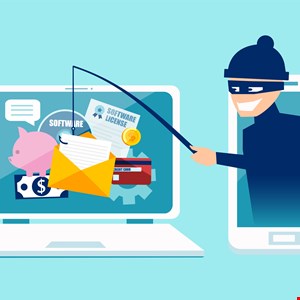
- Data Theft: Cybercriminals obtain credit card information through phishing schemes, data breaches, or malware attacks.
- Marketplaces: Stolen data is then sold on dark web marketplaces that require special software such as Tor to access.
- Cryptocurrency Payments: Transactions for stolen credit cards are usually conducted using cryptocurrencies to maintain anonymity.
- Use of Anonymity Tools: Buyers often use VPNs and other anonymity tools to mask their identities when purchasing these cards.
Risks of Dark Web Credit Card Transactions
Engaging with dark web credit card markets poses risks, including:
- Legal Consequences: Buying or selling stolen credit card information is illegal and can lead to severe penalties, including imprisonment.
- Financial Loss: Victims of these scams often face significant financial repercussions, including drained bank accounts and debt from unauthorized purchases.
- Identity Theft: Stolen credit card data can lead to long-term identity theft, impacting credit scores and future financial security.
Protecting Yourself from Dark Web Transactions
To safeguard personal information and decrease the likelihood of falling victim to credit card fraud, individuals should consider adopting the following preventive measures:
- Monitor Bank Statements: Regularly review bank and credit card statements for any unauthorized transactions.
- Enable Alerts: Set up alerts for transactions over a specific amount to be notified of suspicious activity.
- Use Strong Passwords: Ensure that passwords for online accounts are complex and unique.
- Utilize Credit Monitoring Services: Consider enrolling in a credit monitoring service to keep track of changes in credit reports.
FAQs About Dark Web Credit Cards
Q1: What is the dark web?
A1: The dark web is a part of the internet that is not indexed by traditional search engines and can only be accessed using specialized software.
Q2: How do I know if my credit card has been compromised?
A2: Look for unauthorized charges on your statements, receive alerts from your bank, or be notified by credit monitoring services.
Q3: Can I recover stolen credit card information?
A3: If your credit card information is stolen, report the incident to your bank or credit card company immediately, and they can help you mitigate the damages.
Understanding the dynamics of dark web credit card transactions is crucial in today’s digital age. By being informed about how these markets operate, individuals can take proactive measures to protect themselves from potential financial harm and illegal activities.