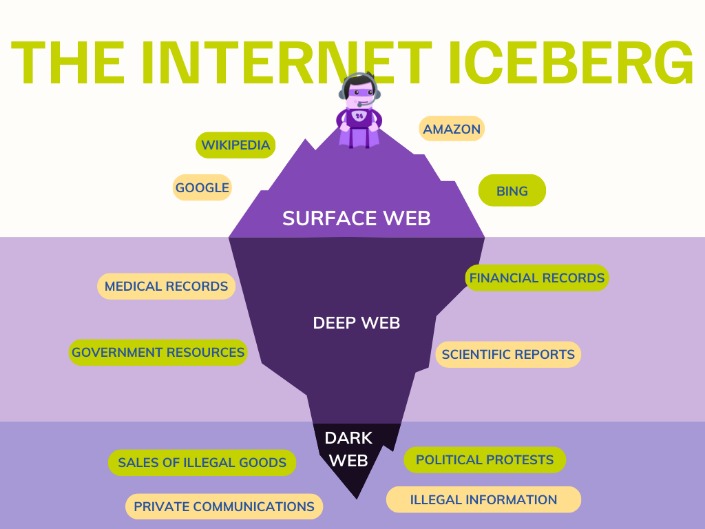
While gaining entry is relatively straightforward using specialized software like the Tor Browser, actively participating in its communities and activities often requires specific knowledge and connections. Focus instead on security hygiene and privacy tools that carry less risk. The dark web gives anonymity to entire communities of perpetrators to share CSAM. Modern dark web marketplaces mimic conventional e-commerce sites, featuring product listings, search functions, and user reviews. While many seek this veil of secrecy, it makes it difficult for authorities to monitor activity or track users.
Dark web browsing is intentionally slow and unstable due to the technology designed to protect user anonymity. Strong passwords and Multi-Factor Authentication (MFA) are your best defense. Stolen credentials on the dark web pose a significant risk, allowing attackers to steal identities and access multiple accounts. Engaging with such content can have severe legal and personal consequences. Any link you click or path you follow can trigger malware deployment, illicit content, or privacy breaches.
The dark web, often shrouded in mystery and misconceptions, is a part of the internet that is not indexed by traditional search engines. While it has gained a reputation for being a hub of illicit activities, there are also legitimate uses for it, including privacy protection and freedom of expression. This article delves into the nuances of accessing the dark web, its benefits, risks, and tips for safely navigating this hidden part of the internet.
Accessing The Dark Web
To understand accessing the dark web, it is essential to recognize that it functions as a separate entity from the surface web that most users are familiar with. The dark web is accessible only through specialized software and configurations, which safeguard anonymity for users and website operators.
Why Access The Dark Web?
- Privacy: Many users seek anonymity for political activism, whistleblowing, or simply maintaining personal privacy.
- Information sharing: The dark web can facilitate the exchange of uncensored news and information, especially in oppressive regimes.
- Research: Journalists and researchers may use the dark web to understand illicit markets or cybersecurity threats.
- Community: It hosts various forums and communities that discuss topics often ignored on the surface web.
How to Access the Dark Web Safely
Accessing the dark web requires caution. Here are steps to do so safely:
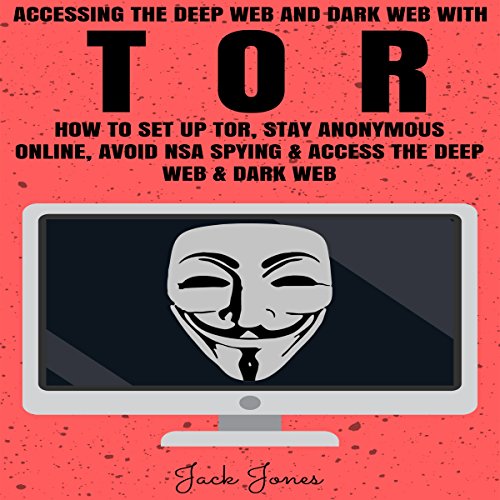
- Download a privacy-focused browser: The most popular method is using the Tor Browser, which anonymizes your internet traffic.
- Use a VPN: A Virtual Private Network can add an extra layer of security by masking your IP address.
- Stay informed: Understand the risks and current trends on the dark web to stay safe.
- Be cautious with links: Avoid clicking on unverified links or downloads that could lead to malware.
- Avoid sharing personal information: The dark web is not a safe place for personal data; be wary of sharing any identifying information.
Potential Risks of Accessing the Dark Web
- It can only be accessed via specific browsers, and is a series of websites that require specific authorization to enter.
- Just like the clear web, it’s the arrival of generative AI.
- Install a mobile dark web browsing app — like Tor browser for Android or the Onion browser for iPhone — and enter an onion URL to start browsing.
- Dark web criminals are clever and ruthless, but cybersecurity measures deter even the most skilled data leeches.
- Ahmia stands out through robust content filtering systems that exclude illegal materials and harmful sites from search results.
While there are legitimate reasons to access the dark web, users should be aware of the potential risks:
- Legal issues: Engaging in illegal activities, even unknowingly, can lead to legal repercussions.
- Scams: Many sites may attempt to defraud users or steal personal information.
- Cyber threats: Malware and hacking attempts are prevalent, posing risks to users' devices and data.
- Exposure to harmful content: Users may inadvertently stumble upon disturbing or illegal material.
- All password-protected content is part of the deep web, including financial accounts, secure databases, webmail accounts, and subscription websites.
- Due to the high level of encryption, websites are not able to track geolocation and IP of their users, and users are not able to get this information about the host.
- A user can only access their information using the voter lookup tool available on the Surface Web.
- It allows users to browse websites with “.onion” domains that are only accessible within its environment.
Frequently Asked Questions
Is accessing the dark web illegal?
Accessing the dark web itself is not illegal; however, engaging in illegal activities while on the dark web is against the law.
Can I be tracked while using the dark web?
Using tools like Tor and a VPN increases anonymity, but no method is foolproof. Users should remain vigilant and informed about potential tracking methods.
What should I do if I encounter illegal content?
If you accidentally come across illegal content, exit the site immediately and avoid interacting with it. Consider reporting it to the appropriate authorities.
Conclusion
Accessing the dark web can provide valuable resources and opportunities for privacy, but it carries inherent risks that users must navigate carefully. By understanding the proper tools and practices, individuals can explore this hidden internet realm more safely. Knowledge is key; ensuring you're informed can empower responsible use of all facets of the internet.