The darknet, an often misunderstood part of the internet, has gained significant media attention due to its association with illegal activities. However, it serves a range of purposes, including privacy, anonymity, and access to information that may not be freely available on the surface web. This article provides insights into active darknet market urls, offering education on how they operate, the services they provide, and the risks associated with navigating this hidden part of the internet.
They don’t post them publicly where search engines could find them. Unlike manual search, they access private sources and provide real-time alerts. For dark web research, the highest security setting is appropriate despite breaking some site functionality.
Active Darknet Market Urls
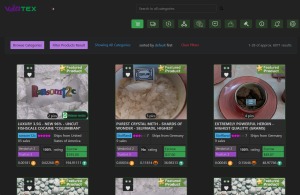
Darknet markets are websites that operate on the Tor network, which provides anonymity for both buyers and sellers. These platforms are known for the trade of a variety of goods and services, including but not limited to:
- Digital products
- Illegal drugs
- Stolen data
- Weapons
- Counterfeit products
- From 2003, the "Research Chemical Mailing List" (RCML) would discuss sourcing "Research Chemicals" from legal and grey sources as an alternative to forums such as alt.drugs.psychedelics.
- Many of those dark web links are defunct, and even more of them link to scams or potentially illegal activities.
- Abacus Market, Russian Market, and BriansClub are just a few names in this shadowy space, each offering thousands of illegal items for sale.
- In its premium edition, Haystak offers advanced search capabilities and email alerts along with access to historical content.
- Anonymous browsing with a VPN or other encryption services will help hide your online activity from your government, ISP, or other prying eyes.
How Darknet Markets Work
Accessing active darknet market urls requires specific software, primarily the Tor browser. Here’s a simple overview of how these markets function:
- Access: Users download and install the Tor browser to access the darknet.
- Search: Users often utilize directories or forums to find market URLs.
- Marketplace: Transactions occur anonymously using cryptocurrencies, typically Bitcoin.
- Delivery: Goods are shipped discreetly to maintain anonymity.
Risks Involved
Navigating darknet markets comes with significant risks, including:
- Legal issues: Engaging with illegal markets can result in severe legal consequences.
- Scams: Many sellers are fraudulent, leading to potential financial loss.
- Security threats: Users' personal data can be at risk if precautions aren't taken.
Frequently Asked Questions
What are some common darknet market scams?
Common scams include non-delivery of items, fake listings, and sellers who disappear after receiving payment.
How can I protect my identity on the darknet?
- It provides an .onion URL and an interface for you to manage your Tor site easily.
- Enhanced monitoring of domain changes and user activity patterns could aid in timely interventions and disruptions of these markets.
- In April, TheRealDeal, the first open cyber-arms market for software exploits as well as drugs, launched to the interest of computer security experts.
- You can access it for legitimate purposes like whistleblowing and freedom of expression.
- Best for analysts who want accurate, verified, and easy-to-navigate onion listings without needing to sift through endless unsafe pages.
For anonymity, use a reliable VPN in addition to the Tor browser and avoid revealing any personal information.
Are all darknet markets illegal?
While many engage in illegal activities, some darknet platforms may offer legal privacy-focused products or services.
Can law enforcement track darknet activities?
Yes, while the Tor network provides anonymity, law enforcement agencies have developed techniques to track illicit activities online.
Understanding active darknet market urls is crucial for those seeking knowledge about how the darknet operates. This information not only educates users about the potential dangers but also empowers them to make informed decisions about their online activities.